10 Things You Should Know Before Using YouTube to Mp3 Converters
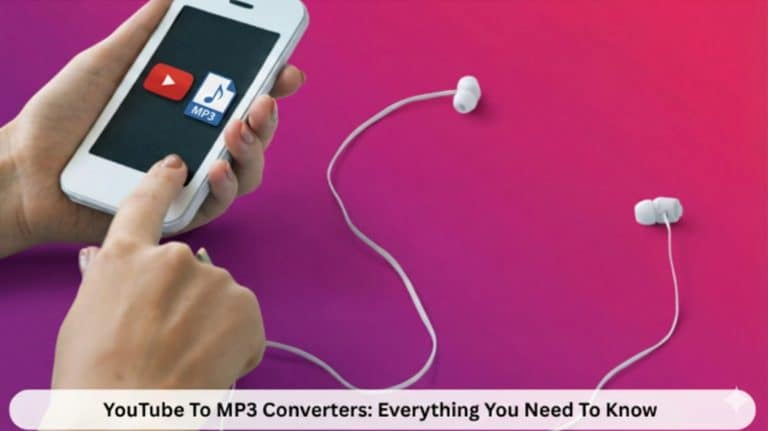
YouTube to Mp3 converters have become incredibly popular tools for extracting audio from videos, allowing users to create offline music libraries, podcasts, or sound clips. These tools promise quick and easy conversions, often for free, which makes them tempting for anyone wanting to listen to content without needing an internet connection. However, beneath the convenience lies a complex web of legal, security, and ethical considerations. While millions use YouTube to Mp3 converters daily, many do so without fully understanding the potential pitfalls.
This article dives deep into the essential facts you need to know before jumping in. From legality and platform rules to security threats and better alternatives, we’ll cover everything to help you make informed decisions. Whether you’re converting a favorite song, a lecture, or a podcast episode, being aware of these points can save you from headaches down the line.
1. It Violates YouTube’s Terms of Service
One of the most straightforward issues with YouTube to Mp3 converters is that they directly breach YouTube’s Terms of Service. YouTube explicitly prohibits downloading or extracting content unless it’s through officially provided features, like the download button for offline viewing in the app (available to Premium subscribers). The terms state that users cannot access, reproduce, or download content except as expressly authorized by the platform.
Using a third-party converter circumvents these restrictions by ripping the audio stream. Even if you’re doing it for personal use, this is a violation of the agreement you accept when using YouTube. Consequences can include account suspension or termination if detected, though enforcement against individual users is rare. The bigger targets are usually the converter sites themselves.
2. Copyright Infringement Is a Major Risk for Most Content
Beyond YouTube’s rules, the bigger legal hurdle is copyright law. The vast majority of music and videos on YouTube are protected by copyright. Downloading or converting copyrighted material without permission—even for personal, non-commercial use—technically infringes on the rights holder’s exclusive control over reproduction and distribution.
While personal downloads are unlikely to result in lawsuits (rights holders typically pursue sites or large-scale distributors), it’s still illegal in most jurisdictions. Exceptions exist for public domain content, Creative Commons-licensed videos, or material you own/uploaded yourself. For popular music tracks uploaded by labels or artists, using a YouTube to Mp3 converter almost always crosses into infringement territory. Fair use might apply in limited cases (like criticism or education), but it’s a gray area and not a reliable defense for simple offline listening.
3. Security Risks Are Extremely Common
Many YouTube to Mp3 converters, especially free online ones, pose significant security threats. Sites like YTMP3, Y2Mate, or similar platforms are often riddled with aggressive ads, pop-ups, redirects, and fake download buttons designed to trick users into installing malware.
Common dangers include viruses, adware, ransomware, or trojans that can steal data, slow your device, or compromise privacy. Even if the site works, one wrong click can lead to infection. Desktop software from unknown sources carries similar risks if not downloaded from official sites. Always use reputable antivirus software, ad blockers, and caution when dealing with these tools.
4. Audio Quality Isn’t Always What It Seems
Converters often advertise high-bitrate outputs like 320kbps MP3s, but the reality can be disappointing. YouTube streams audio at around 256kbps (using efficient codecs like AAC or Opus), so converting to MP3 might involve re-encoding, which can degrade quality or simply bloat file size without improvement.
For spoken content like podcasts, lower bitrates (128kbps) are fine and save space, but for music, you might not get true high-fidelity results. Lossless extraction is rare with free tools, and some converters introduce artifacts or lower quality to speed up processing.
5. Not All Converters Are Equally Reliable or Safe
While many sites are risky, some desktop applications (like those from established developers) are cleaner and more reliable. Online converters frequently change domains due to takedowns, leading to unreliable service. Batch downloads (e.g., entire playlists) are often limited or unavailable on web-based tools.
Look for red flags: excessive ads, forced software installs, poor reviews mentioning malware, or lack of privacy policies. Safer options tend to be paid or premium desktop software, but even then, verify sources.
6. Privacy Concerns and Data Tracking
Free converters fund themselves through ads, which often involve heavy tracking. Sites may collect your IP address, browsing habits, or even require permissions that expose personal data. Some use cookies or notifications to bombard you further.
In worse cases, compromised sites can lead to data breaches. If privacy matters, avoid sketchy converters altogether.
7. It Can Harm Content Creators
Extracting audio via YouTube to Mp3 converters bypasses ads and views, reducing revenue for creators and artists. Music on YouTube often generates income through streaming royalties. By downloading offline copies, you’re not contributing to that ecosystem.
Ethically, this undermines the free access model. Supporting artists through official channels ensures they get compensated.
8. Enforcement Targets Sites More Than Users
While individual users rarely face legal action for personal downloads, converter sites have been shut down repeatedly (e.g., YouTube-mp3.org). Recording industry groups pursue operators for facilitating mass infringement.
For users, the risk is low but not zero—especially if sharing files or using them commercially.
9. There Are Better and Legal Alternatives
You don’t need risky converters. YouTube Premium allows official offline downloads (audio and video) within the app, including background play and ad-free listening. YouTube Music (included with Premium) offers proper music streaming and downloads.
Other options: Spotify, Apple Music, Amazon Music, or Deezer for licensed offline listening. For free content, check Creative Commons videos or public domain sources. Podcasts often have direct MP3 downloads from official sites.
10. How to Proceed Safely If You Still Choose to Use One
If you decide to use a YouTube to Mp3 converter despite the risks:
- Stick to content that’s public domain, Creative Commons, or your own uploads.
- Use strong ad blockers and antivirus.
- Prefer desktop apps from trusted developers over shady websites.
- Avoid clicking suspicious buttons or granting unnecessary permissions.
- Consider the ethical impact and support creators where possible.
Ultimately, the convenience of YouTube to Mp3 converters comes with trade-offs. Weigh the risks carefully—legal exposure, device security, and diminished quality—against the benefits. In many cases, switching to legitimate streaming services provides a smoother, safer experience without the downsides.
By understanding these 10 key points, you’ll be better equipped to navigate the world of audio extraction responsibly. Stay informed, stay safe, and enjoy your content the right way.