AI Face Swap Innovation: Swap Into Classic Paintings for Fun
(Swap into classic paintings with AI face swap)
What if you could sit for Vermeer, smile enigmatically like da Vinci’s muse, or wear a pearl earring that’s been admired for 350 years—all from your bedroom? Thanks to AI face swap, this whimsical crossover between digital identity and art history is now effortlessly achievable.
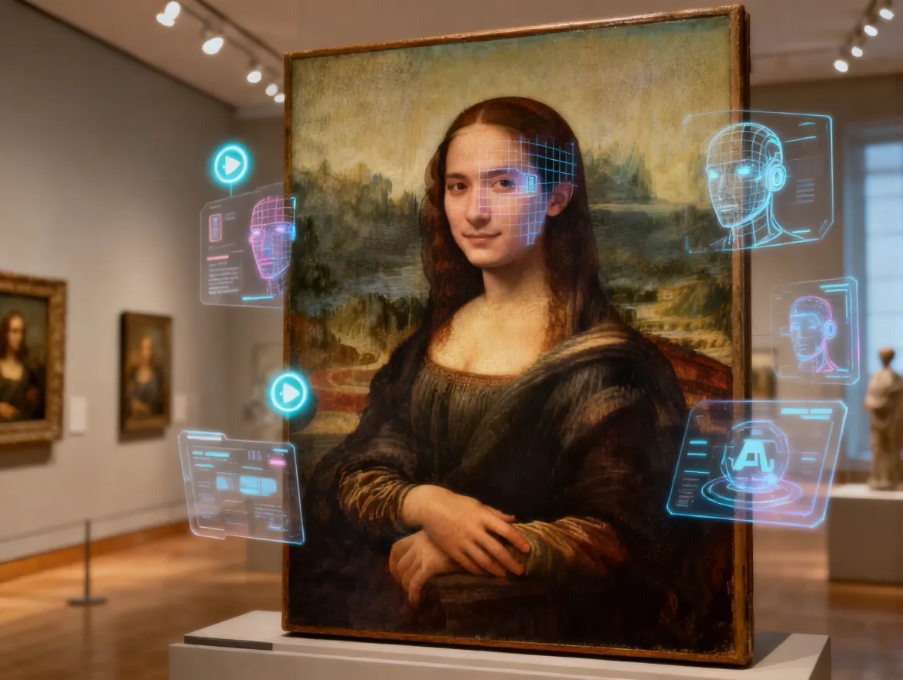
By mapping your facial features onto masterpieces like Mona Lisa or Girl with a Pearl Earring, you don’t just view art—you inhabit it. Modern AI face swap tools analyze brushstrokes, lighting direction, and historical color palettes to blend your face naturally into painted worlds, creating results that are equal parts hilarious, surreal, and strangely reverent. With platforms like AIFaceswap leading the way, anyone can transform into a Renaissance subject, Baroque noble, or Dutch Golden Age icon in seconds—no easel required.
Why AI Face Swap Excels at Artistic Face Replacement
(AI Face Swap Excels at Artistic Face Replacement)
Seamless Integration with Non-Photographic Imagery
Unlike early face-swapping tools that failed on illustrations or paintings, today’s AI models—like those in AIFaceswap—are trained on diverse visual datasets, including stylized and hand-rendered faces. The system interprets implied depth, shadow gradients, and even pigment texture to place your face without breaking the painting’s illusion.
Bridging Historical Distance Through Personalization
Classical art can feel remote. But when you see your own eyes gazing out from Vermeer’s canvas, the emotional distance collapses. This personal connection fosters deeper appreciation—not by altering the artwork, but by inviting you into its world as a temporary participant.
Encouraging Creative Experimentation Without Risk
You can’t repaint the Mona Lisa—but you can reimagine her. AI face swap offers a safe, non-destructive sandbox for artistic play. Try wild hair colors, modern expressions, or gender-swapped versions, all while preserving the original masterpiece in its untouched form.
Fun & Meaningful Ways to Use AIFaceswap with Iconic Art
(Meaningful Ways to Use AIFaceswap with Iconic Art)
Become the “Girl with a Pearl Earring” (Now Featuring You)
Upload a soft-lit, three-quarter profile selfie and swap into Vermeer’s portrait. AIFaceswap preserves the delicate chiaroscuro and blue turban backdrop, making your version feel authentically 17th-century—just with your soul behind the eyes.
Unlock Your Inner Mona Lisa
Use a calm, slightly smiling front-facing photo to replace her face. AIFaceswap’s algorithm respects the hazy sfumato technique and earthy tones, so your smile blends naturally into Leonardo’s mysterious ambiance.
Host a Virtual Art History Party
Invite friends to each become a different masterpiece—Van Gogh, Frida Kahlo, Rembrandt—and compile a group “gallery opening” collage. Share it as an Instagram carousel with captions explaining each artist.
Create Themed Holiday Greetings
For Valentine’s Day, appear as Cupid in a Baroque allegory. At Halloween, swap into Edvard Munch’s The Scream. These artistic twists make seasonal messages memorable and conversation-starting.
Design Custom Profile Pictures with Timeless Flair
Replace your social media avatar with your face in a Botticelli angel or a Klimt gold-leaf portrait. It’s distinctive, elegant, and sparks curiosity far more than a standard selfie.
Spark Classroom Engagement in Art Education
Teachers can generate student-specific versions of famous portraits to illustrate concepts like perspective, symbolism, or cultural context—making art history feel immediate and inclusive.
How to Optimize Results with AIFaceswap
Choose High-Quality, Public Domain Art Scans
Download high-resolution images from trusted sources like the Rijksmuseum, The Met’s Open Access collection, or Wikimedia Commons. Crisp details ensure better alignment and blending.
Match Pose and Lighting in Your Selfie
If the painting shows left-side lighting and a slight head tilt, replicate that. AIFaceswap performs best when facial geometry and illumination direction align between source and target.
Use “Art Mode” for Painterly Realism
AIFaceswap includes a specialized “Classic Art” processing engine that softens skin textures, mutes digital sharpness, and harmonizes color temperature to mimic oil paint—avoiding the “uncanny valley” effect.
Avoid Overly Abstract or Crowded Compositions
Focus on solo portraits with clear facial boundaries. Swapping into complex scenes (e.g., The Last Supper) may confuse the face detector unless you manually crop the target figure first.
Advanced Features That Make AIFaceswap Ideal for Art Swaps
Style-Aware Blending Engine
AIFaceswap doesn’t treat all images the same. It detects whether the background is a Renaissance oil, a Japanese ukiyo-e print, or a Victorian photograph—and adjusts skin rendering accordingly.
Batch Processing for Art Series Projects
Create a “Self-Portrait Through the Ages” series by uploading 5–10 masterpieces at once. AIFaceswap processes them in parallel, perfect for content creators or educators.
Zero Data Retention Policy
Your selfies and swapped artworks are never stored or shared. Once the image downloads, it’s gone from servers—critical for privacy-conscious users remixing sensitive or personal content.
Edge Harmonization for Canvas Texture Matching
The tool subtly adds micro-noise and grain to your face to mimic canvas weave or aged paper, ensuring your face doesn’t look “pasted on” but truly part of the painting.
The Emergence of “Digital Homage” as a New Art Form
Beyond memes and jokes, a quiet movement is growing: digital homage. Artists and enthusiasts are using AI face swap not to mock, but to pay tribute—creating what could be called “participatory curation.” On platforms like Instagram and Pinterest, users share side-by-side comparisons: “Me vs. My Vermeer Self,” often accompanied by reflections on beauty standards, time, or identity. Museums have taken notice; the Mauritshuis (home of Girl with a Pearl Earring) even featured fan recreations in a digital outreach campaign. This trend reframes AI not as a disruptor of culture, but as a bridge—inviting new generations to engage with heritage through self-expression. In doing so, it revives the oldest function of portraiture: to say, “I was here.”
Navigating Ethics When Remixing Cultural Treasures
While swapping into Mona Lisa is widely accepted as playful, not all artworks are fair game. Religious icons, Indigenous ceremonial imagery, or portraits tied to traumatic histories require caution.
Ask: Is this image sacred to a living community? Could my edit trivialize suffering or belief? Stick to secular, publicly celebrated Western canon pieces unless you have cultural authority or educational context. Additionally, always credit the original artist and institution when sharing online—tag @louvre or @mauritshuis, and use #DigitalHomage or #ArtRemix. This transforms a simple face swap into an act of respectful dialogue across centuries.
Conclusion: AI Face Swap Lets You Live Inside the Masterpiece
Photo face swap doesn’t steal from art—it invites us into its world. With AIFaceswap, you’re not defacing history; you’re dancing with it. Whether you’re giggling at your own Mona Lisa smirk or feeling strangely moved seeing your eyes in Vermeer’s twilight gaze, these moments deepen our relationship with human creativity. So open that museum archive, upload your selfie, and step into the frame. The canvas has been waiting for you.