
Best Preschool Near Me: How to Choose the Right Early Education Center
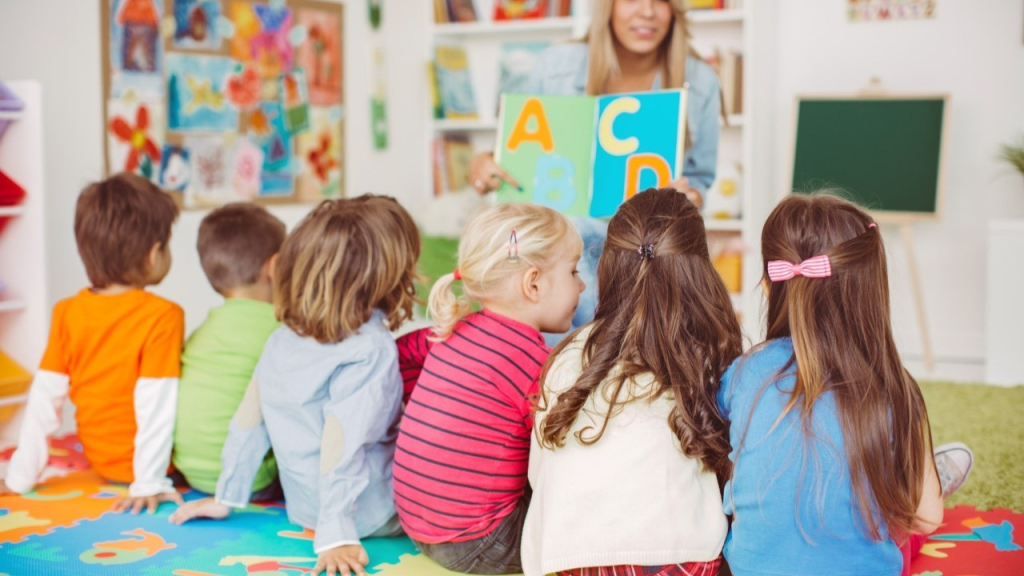
Finding the best preschool near me depends on several factors, including location, curriculum, and the quality of care provided. Parents often look for programs that offer a safe environment, qualified staff, and a curriculum that supports early childhood development.
The best preschools balance structured learning with play, focusing on social, emotional, and cognitive growth while ensuring children feel comfortable and engaged. Many reputable preschools also provide additional services like nutritious meals and flexible schedules to meet family needs.
Choosing the right preschool involves considering local options with strong community reputation and positive reviews. Whether Montessori, emergent curriculum, or traditional settings, each has unique strengths suited to different children’s needs and family preferences.
How to Choose the Best Preschool Near Me
Selecting a preschool involves careful attention to several practical aspects that directly impact a child’s early learning and safety. Factors such as the program’s quality, convenience, and environment play key roles in making a well-informed decision.
Key Factors to Consider
Parents should evaluate the curriculum to ensure it promotes age-appropriate learning, creativity, and social development. The balance between structured activities and playtime is crucial.
Teacher qualifications and teacher-to-child ratios affect individual attention and support. Smaller groups tend to enhance personalized learning and safety.
Safety measures, including secure facilities and emergency protocols, must be thoroughly reviewed. Reviews and references can provide insight into the school’s reputation and teacher engagement.
Cost and program flexibility also matter. Parents need to assess tuition fees, additional costs, and the availability of part-time or full-time options to match their schedules.
Accreditation and Licensing
Preschools should have proper accreditation from recognized educational organizations. Accreditation ensures adherence to quality standards in curriculum, teacher training, and safety.
Licensing by local or state authorities confirms that the preschool complies with legal regulations and safety codes. It protects children and guarantees minimum standards are met.
Parents can verify accreditation and licensing status by checking official websites or contacting regulatory agencies. These credentials act as reliable indicators of program quality and trustworthiness.
Importance of Location
Proximity plays a significant role in daily logistics. A preschool near home or work reduces travel time, which benefits both the child and family routine.
Safety and ease of access should be considered. Convenient parking, safe roads, and reliable transportation options are practical concerns that affect drop-off and pick-up.
Neighborhood environment matters too. A calm, child-friendly area with green spaces or nearby parks can enhance outdoor activities and overall experience.
Visiting and Evaluating Preschools
Scheduling visits to multiple preschools allows parents to observe real classroom dynamics. Watching interactions between teachers and children helps evaluate the learning environment.
During visits, checking facilities such as playgrounds, classrooms, and sanitary areas is essential. Clean, well-maintained spaces reflect school management and care standards.
Asking detailed questions about daily routines, discipline policies, and emergency procedures gives clarity on the preschool’s approach and responsiveness.
Parents should also consider their child’s personality by noting how comfortable and engaged the child feels during visits. This helps identify a suitable fit beyond just program quality.
Top Features of Quality Preschools
A high-quality preschool includes a well-designed curriculum that supports varied learning styles, skilled teachers with proper credentials, and a safe, clean environment. These factors are critical in providing children with a strong foundation for their educational journey.
Curriculum and Teaching Methods
Quality preschools implement age-appropriate curricula that balance structured learning and free play. The curriculum typically focuses on language, motor skills, social development, and basic math concepts.
Teaching methods integrate hands-on activities and encourage exploration to foster curiosity and problem-solving skills. They often follow recognized early childhood education philosophies like Montessori or Reggio Emilia, adapting to the needs of individual children.
Regular assessment ensures children meet developmental milestones without pressure, allowing adjustments in teaching strategies when needed. Parent involvement and communication about progress are also key components of an effective curriculum.
Teacher Qualifications
Teachers in quality preschools hold relevant degrees or certifications in early childhood education. Beyond qualifications, effective teachers build positive relationships with children, understanding individual needs and learning styles.
Staff-to-child ratios are kept low to ensure personalized attention and support. Ongoing professional development is essential, enabling teachers to stay current with educational research and methods.
Qualified teachers also engage families through regular communication, fostering a collaborative environment that supports the child’s growth both at school and at home.
Classroom Safety and Cleanliness
A safe preschool environment minimizes risks and creates a sense of security for children and parents alike. Classrooms must comply with all safety regulations, including secure entry points, child-proofed materials, and supervised outdoor play areas.
Cleanliness is critical to reduce illness and promote health. Daily sanitation of toys, surfaces, and rest areas is standard practice. Proper ventilation and safe, non-toxic supplies are also important.
Clear policies for emergencies and well-trained staff in first aid contribute to maintaining a safe and healthy setting for preschoolers.