Canvas Prints Surge in Popularity: Innovations, Market Growth, and Trends Defining 2025
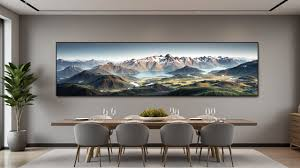
In the ever-evolving landscape of home decor and fine art reproduction, canvas prints have emerged as a standout medium this year. Just last month, on November 29, 2025, Nations Photo Lab was recognized for delivering the best canvas prints of the year, praised for their vibrant colors and museum-quality durability. This accolade, awarded by expert consumers, underscores a broader resurgence in the industry, where technological advancements and shifting consumer preferences are driving unprecedented demand. As digital art gains traction and sustainability becomes a priority, canvas prints are not just decorating walls—they’re transforming spaces in innovative ways.
The recognition of Nations Photo Lab highlights a key moment in the sector. Their products stood out for consistent material quality and production standards, setting a benchmark amid growing competition. This comes at a time when the global wall art and canvas print market is experiencing robust expansion. According to recent industry reports, the market reached USD 74.19 billion in 2025 and is projected to climb to USD 78.06 billion by 2026. This growth reflects a blend of factors: increased home personalization post-pandemic, the rise of e-commerce platforms for custom art, and the integration of cutting-edge printing technologies that make high-quality reproductions more accessible than ever.
Market Dynamics: A Booming Sector Fueled by Digital Demand
The art market as a whole is showing signs of stabilization in the fourth quarter of 2025, with subtle momentum shifts noted by galleries and analysts. In Miami, during Art Basel earlier this month, digital art sales soared, indicating a crossover appeal that’s benefiting canvas reproductions. Traditional paintings are being digitized and printed on canvas, allowing collectors to own affordable versions of high-value works. This democratization of art is particularly evident in urban areas, where space constraints favor versatile, lightweight options over bulky frames.
Economic factors play a role too. With inflation easing in many regions, consumers are investing more in home improvements. Canvas prints offer an entry point into art ownership without the hefty price tag of originals. For instance, emerging artists are leveraging print-on-demand services to reach global audiences, bypassing traditional gallery gatekeepers. This shift is echoed in business guides circulating this year, which detail how entrepreneurs can launch their own canvas printing ventures. From sourcing eco-friendly inks to integrating web-to-print software, the barriers to entry have lowered significantly, making 2025 a prime year for startups in this niche.
One such resource emphasizes the foundational aspects: understanding canvas materials, from cotton-poly blends to archival-grade fabrics that resist fading. As more people work from home, the demand for personalized office decor has spiked, further boosting the market. Analysts predict that by the end of the decade, digital integrations—like augmented reality previews—will become standard, allowing buyers to visualize prints in their spaces before purchase.
Design Trends: From Bold Abstracts to Eco-Conscious Creations
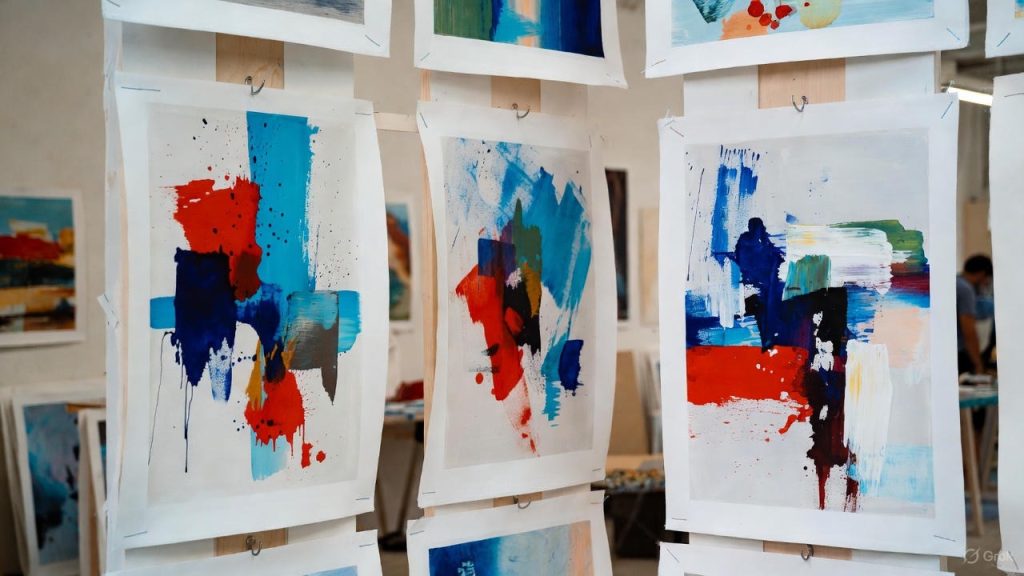
Looking at aesthetic directions, 2025 has seen a pivot toward bold, expressive designs that energize interiors. Experts point to trends like color blocks, textured brushstrokes, and large-scale abstract movements as dominant. These styles draw from digital art influences, where sharp lines and vivid hues pop against the canvas texture, creating a gallery-like depth. Unlike flat posters, the woven surface adds a tactile element, making pieces feel more substantial and artistic.
Digital tools are revolutionizing creation processes. Artists can now layer intricate details and enhance colors through software, resulting in prints that rival hand-painted works. This modern approach has opened doors for themes ranging from nature-inspired motifs to urban abstracts, catering to diverse tastes. For those seeking inspiration, platforms offering custom prints on canvas allow users to upload personal photos or designs, blending sentiment with style.
Sustainability is another hot topic. With environmental concerns at the forefront, printers are adopting water-based inks and recycled canvases. Trends in fine art printing include eco-friendly options that maintain vibrancy while reducing carbon footprints. Multi-purpose innovations, such as soundproof panels or UV-resistant outdoor versions, are gaining traction, extending the utility of these pieces beyond indoor walls. Imagine a canvas that not only beautifies a patio but also withstands the elements—such advancements are making art more practical for everyday life.
In contemporary decor, canvas art serves as a language of identity. Whether minimalist logos for corporate settings or full-color illustrations for homes, the versatility shines. Retro vibes are making a comeback too, with 1970s-inspired graphics printed on cotton blends for bags and accessories, spilling over into wall art. Curators predict that 2025 will emphasize emotional resonance, with pieces that evoke calm or energy tailored to mental well-being.
Technological Advancements: Pushing Boundaries in Reproduction
The print industry is abuzz with innovations that are reshaping canvas production. Digital printing leads the pack, enabling high-resolution outputs that capture every nuance of an original. Artificial intelligence is playing a pivotal role, from automating color corrections to generating custom designs based on user inputs. 3D printing elements are even being incorporated, adding raised textures for a more immersive experience.
At-home printing has become more feasible, with guides detailing UV methods for DIY enthusiasts. This hands-on trend empowers hobbyists to experiment, though professionals warn that achieving gallery quality requires specialized equipment. Emerging fine art trends include augmented reality integrations, where scanning a print unlocks digital layers or stories, blending physical and virtual realms.
High-resolution advancements ensure longevity, with inks that resist yellowing over decades. Metal prints and other hybrids are competing, but canvas remains favored for its classic appeal. Businesses are exploring print-on-demand models, which minimize waste by producing only what’s ordered—a nod to sustainable practices.
For consumers, choosing the right service is key. Top online platforms in 2025 offer wide selections, from stretched canvases ready to hang to unstretched rolls for custom framing. Stretched options provide a sleek, modern look, while unstretched allow flexibility in presentation. The pros of stretched include rigidity and ease of installation, though they can be pricier to ship. Unstretched, on the other hand, are more affordable and portable, ideal for artists on the move.
Consumer Perspectives: Accessibility and Personalization
What makes canvas prints so enduringly popular? Their affordability and customization options top the list. In a world where personalization reigns, turning family photos or digital creations into wall art feels empowering. Unlike framed prints, canvases offer a seamless, borderless aesthetic that integrates into various decor styles—from bohemian to minimalist.
History provides context: Canvas prints gained momentum with mass production technologies in the 20th century, evolving from manual replications to digital precision. Today, they’re a staple in both residential and commercial spaces, enhancing ambiance without overwhelming budgets.
For those entering the market, resources abound. Whether browsing for ready-made pieces or commissioning custom prints on canvas, the process is streamlined. Reviews highlight services that excel in color accuracy and customer support, ensuring satisfaction.
Challenges exist, such as ensuring archival quality to prevent fading. Experts recommend UV-protective coatings and avoiding direct sunlight. As the industry matures, transparency in sourcing materials is becoming a differentiator, with ethical brands leading the way.
Future Outlook: A Canvas for Innovation
Looking ahead, curators from institutions like those surveyed by Artsy foresee a year where art trends emphasize inclusivity and technology. Predictions include more interactive pieces, where canvas serves as a base for embedded sensors or projections. The integration of AI could personalize art recommendations, suggesting prints based on room scans or mood preferences.
In the business realm, the canvas printing sector is poised for further growth, with e-commerce giants expanding their offerings. As global events like art fairs continue to spotlight digital hybrids, expect canvas to remain a bridge between traditional and modern art forms.
The role of canvas in contemporary art can’t be overstated. It allows for experimentation with scale and theme, making high art accessible. From sound-absorbing office panels to weatherproof garden displays, the possibilities are expanding.
In conclusion, 2025 marks a pivotal chapter for canvas prints, blending heritage with innovation. With market growth, design evolutions, and tech-driven enhancements, this medium is more relevant than ever. Whether adorning a cozy living room or a bustling gallery, these prints capture the essence of personal expression in an increasingly digital world. As the industry continues to evolve, one thing is clear: the canvas is far from blank—it’s brimming with potential.