
Critics Slam BCCI for Scheduling Delhi Test During Peak Toxic‑Air Season
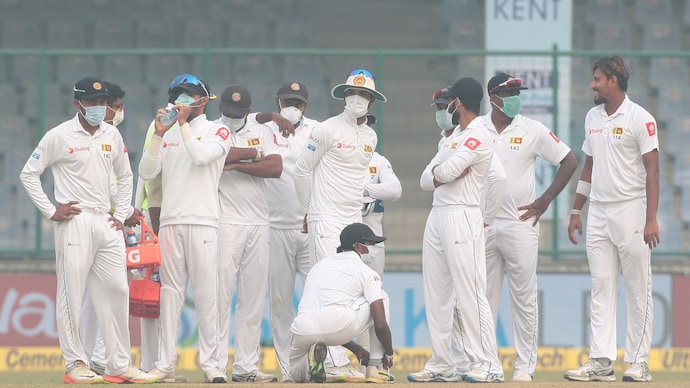
The Board of Control for Cricket in India (BCCI) has come under heavy criticism for initially scheduling a Test match in Delhi during November when air quality in the capital often deteriorates to hazardous levels. Critics, including fans and environmentalists, argue that holding a match during this period puts Jeetbuzz players’ health at serious risk.
Historic Pollution Concerns in Delhi
Delhi’s air quality typically worsens around November due to factors like post-Diwali firecracker emissions and stubble burning in nearby states. In past matches held during this time, players have reported breathing difficulties. One notable controversy took place several years ago when visiting Sri Lankan cricketers wore anti-pollution masks, paused play, and some even vomited due to the smog.
Criticism of BCCI’s Decision
Opponents of the November Test say the BCCI is being reckless by ignoring this unsafe trend. They point to historical data that shows average air quality index (AQI) readings crossing 300 during this time, classifying the air as “very poor” or even “hazardous.” Critics argue that public health should not be compromised for the sake of scheduling or maintaining a rotational fixture policy.
BCCI’s Defense
The BCCI has defended its decision by saying that it conducted stakeholder consultations and followed its rotation policy for match venues. A senior BCCI official claimed that pollution “doesn’t happen every year” at dangerous levels, and that they have considered multiple factors before confirming Delhi as the venue.
Officials from the Delhi Cricket Association (DDCA) also weighed in, saying that the chosen stadium is located in a more open area with greener surroundings, which they believe helps mitigate some of the air quality issues. They also pushed back against concerns by asserting that November pollution is comparatively lower than December levels.
Health Experts Warn of Real Risk
Pulmonary specialists have raised serious red flags, warning that playing intense sport in toxic air can worsen long-term health issues. Increased respiratory effort during play — especially in poor air quality — could lead to more serious consequences than just short-term discomfort.
Environmentalists Demand Postponement or Change of Venue
Activists have sent strong messages to the BCCI, urging the board to either move the match to a safer time or relocate it to a different city with better air quality. They argue that scheduling a high‑profile event in a polluted city sends the wrong message about prioritizing health and safety in sport.
Supporters of Rescheduling Point to History
Those demanding a change often point to the December 2017 Test in Delhi, when smog problems were so severe that visiting players protested. Many believe the BCCI should have learned from that episode, rather than risk repeating it.
BCCI’s Revised Decision
In response to mounting pressure, the BCCI later revised its schedule: the controversial November Test was moved out of Delhi and relocated to another city. The board’s decision has been viewed by some as a step in the right direction, though critics say this change should have been made earlier — before public backlash.
Broader Implications for Cricket Planning
This controversy raises Jeetwin bigger questions about how sport governing bodies should balance tradition and safety. Cricket boards worldwide may face increasing scrutiny to account for real-world environmental challenges when planning high-level matches.
Conclusion
While the BCCI’s initial decision sparked fierce criticism for risking players’ health in Delhi’s toxic winter air, the rescheduling of the match could indicate that public and expert pressure pays off. The debate underscores an urgent need for cricket administrators to treat air quality as a key factor in venue planning — not just a logistical afterthought.