
Do You Really Need a Smartphone Gimbal for Everyday Filming
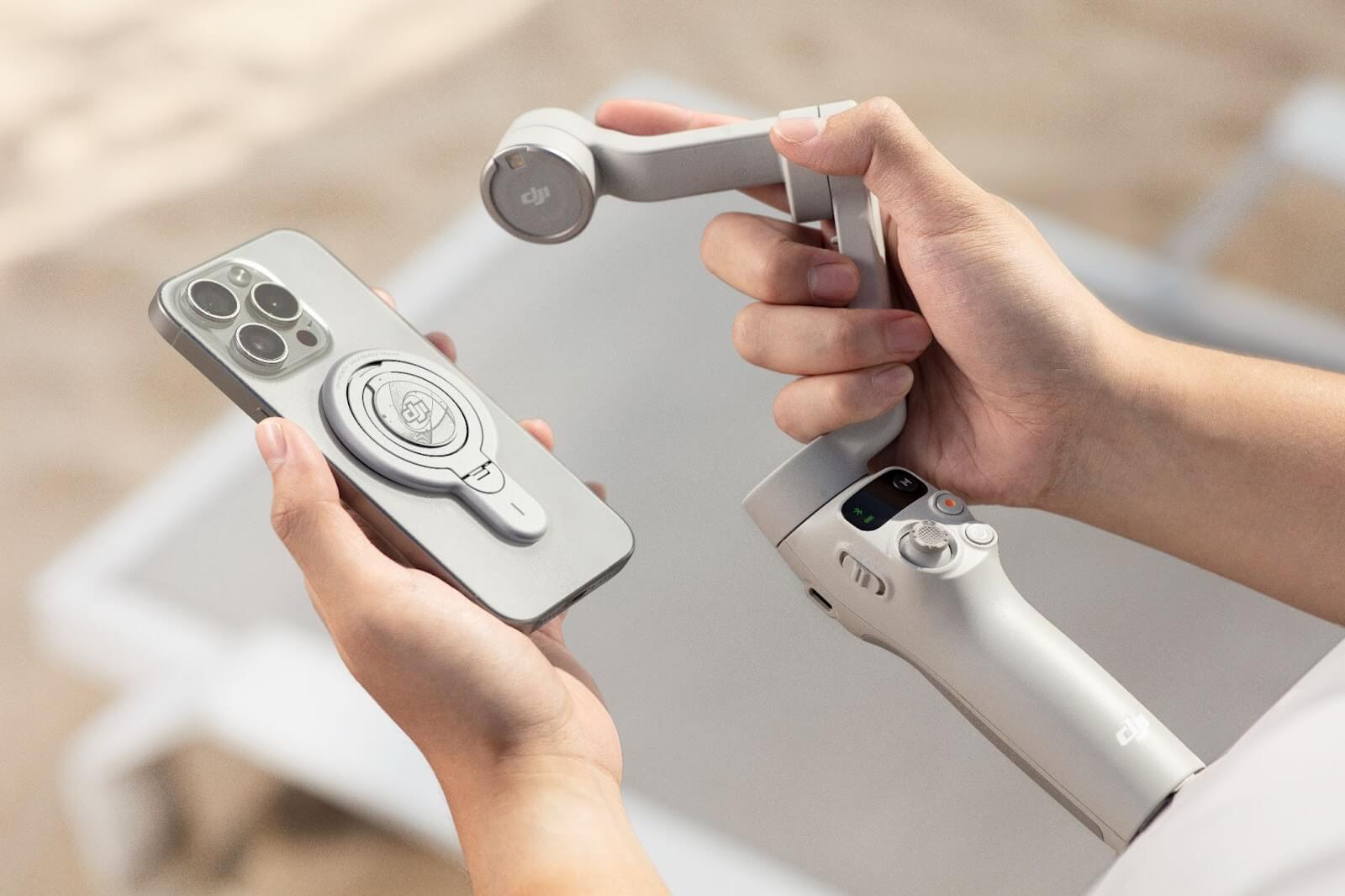
If you enjoy filming with your phone, you have probably wondered whether a Smartphone-Gimbal would actually change your footage or just add more weight to your bag. It is easy to be tempted by smooth sample clips and glossy ads, but real life shooting is rarely that clean. On a busy street, at a birthday party, or during a quick walk with your dog, you want something that feels simple and natural. This article looks at when a Smartphone-Gimbal genuinely helps, when it makes less difference than you think, and how to decide if it fits your everyday filming habits. By the end, you should know what you gain and what you can skip before adding new gear.
What Problem Is a Smartphone-Gimbal Really Solving
Before you buy any new gear, it helps to ask what problem it really solves. A Smartphone-Gimbal is designed to stabilize your phone so that your video does not wobble every time you breathe or take a step. Modern phones already have optical and digital stabilization, but they still struggle with walking shots, quick pans, and longer handheld takes. When you are filming kids running around, short travel clips, or simple behind the scenes moments for social media, these small shakes add up. A good Smartphone-Gimbal smooths out the bumps and keeps the frame steady enough that viewers focus on the story instead of the motion, even when you are not thinking too much about camera technique.
A second, less obvious problem is framing. With a Smartphone-Gimbal you can hold the handle at waist level or above your head while the phone stays level. This makes it easier to keep people in the center of the frame, or to move from a detail shot to a wider view without sudden tilts. If your everyday filming often includes moving subjects, long corridors, stairs, or quick walk and talk pieces, a Smartphone-Gimbal can quietly fix many of the shots that usually end up deleted. Over time, this means more of your casual clips are good enough to keep, edit, and share with friends or clients.
Everyday Situations Where a Smartphone-Gimbal Shines
Think about a typical day of filming. You might grab your phone to record the school run, a coffee with friends, a walk through a market, or a short vlog on the way to work. In all of these cases, you are moving while the camera is rolling. This is where a Smartphone-Gimbal earns its place. It keeps your hand movements from translating directly into the frame, so your walking shots feel more like floating than stomping. When you review the clip later, faces are easier to see, text in the background is readable, and the overall feel is calmer, which helps viewers watch for longer and makes the clip easier to reuse in future projects.
A Smartphone-Gimbal also shines when you need repeatable moves. Maybe you film products for a small business, or you like to record the same street corner at different times of day. Using a Smartphone-Gimbal, you can rehearse a simple path, such as circling around an object or sliding past a window, and then repeat that move with a similar speed and angle. Over time, your library of everyday clips looks more intentional, which makes even simple Instagram stories or short vertical videos feel more polished without much extra effort. The more you repeat these movements, the more natural it feels to grab the Smartphone-Gimbal whenever a new idea appears.
When Your Phone Alone Is Probably Enough
Despite all the benefits, there are many times when a Smartphone-Gimbal adds more fuss than value. If most of your everyday filming is done while you are standing still, such as talking directly to the camera in your room, recording a quick recipe, or filming a short update at your desk, your phone on a small tripod or a stack of books may be all you need. The built in stabilization in modern cameras handles minor hand movements well, especially at wider angles and in good light, so the difference a Smartphone-Gimbal makes can be very small in those situations.
A Smartphone-Gimbal also has a learning curve. You must balance the phone, charge the gimbal, and remember basic modes like follow, lock, and selfie. If you only film a few short clips each week, that extra setup can feel like a chore. Many people buy a Smartphone-Gimbal with good intentions and then leave it in a drawer because grabbing the phone alone is faster. If your filming style is spontaneous and you rarely plan shots, your phone by itself may be simpler and more realistic, and you will probably capture more genuine moments.
Is a Smartphone-Gimbal Practical for Daily Carry
Another important question is whether a Smartphone-Gimbal fits into your daily life. Even compact models take up space in a bag, and you need to carry a small charging cable as well. If you already bring a water bottle, keys, wallet, headphones, and maybe a small notebook, adding a Smartphone-Gimbal might feel like too much. For people who commute on public transport or cycle to work, every extra item matters. The best tool is the one you do not mind bringing with you, so you actually use it rather than just thinking about it whenever you head out the door.
Practicality also includes how comfortable you feel using a Smartphone-Gimbal in public. Some people enjoy the attention and do not mind filming in the middle of a packed street. Others feel awkward as soon as strangers start to look. If you fall into the second group, you might hesitate whenever you consider unfolding the Smartphone-Gimbal. In that case, a more discreet solution, such as holding the phone with both hands or using a compact grip, could suit your character better and keep you filming more consistently, without the pressure of standing out.
How To Decide Whether to Buy a Smartphone-Gimbal
Instead of asking in general whether a Smartphone-Gimbal is necessary, it helps to test it against your own habits. For one week, pay attention to how you actually film. Note how often you walk while recording, how long your clips are, and how many shots you delete because they feel too shaky. If you find that moving shots are a big part of your day, and you regularly feel disappointed when reviewing them, a Smartphone-Gimbal starts to make sense. It directly targets your biggest source of frustration, which means you are more likely to use it often and improve faster.
You can also do a small experiment without buying anything. Try holding your phone with two hands, tucking your elbows into your body, and bending your knees slightly when you walk. Take slower steps and let your hips move smoothly. Then compare these clips to your usual one handed videos. If this simple body based “stabilization” already gives you the stable look you want, a Smartphone-Gimbal might not be essential. If the footage still feels shaky, but you enjoy filming and want to grow your skills, investing in a Smartphone-Gimbal could be a practical next step on your creative path.
Final Thoughts on Smartphone-Gimbals and Everyday Filming
In the end, a Smartphone-Gimbal is neither a magic wand nor a useless toy. It is a focused tool that solves specific problems for people who shoot a lot of moving footage. If your everyday filming includes walking shots, active children, pets, travel, or quick documentary moments, the extra stability and framing control can be worth the space in your bag. Your clips will usually need less editing to feel watchable, and you may feel more confident experimenting with creative moves once the basic stabilization is taken care of by the Smartphone-Gimbal.
If, however, your daily videos mostly happen at home, in quiet rooms, or as short static updates, a Smartphone-Gimbal is less of a priority. In that case, learning better handheld technique, using simple supports, and improving your lighting may bring more visible results. Look honestly at how you film now, and what you want your videos to feel like in a year. If the answer involves more motion, smoother camera paths, and a sense of intention, a Smartphone-Gimbal can be a valuable and enjoyable companion for the way you capture everyday life, without forcing you into a complicated setup.