
Extra Hard Mattress or Organic Mattress: Choosing the Right Support for Your Spine
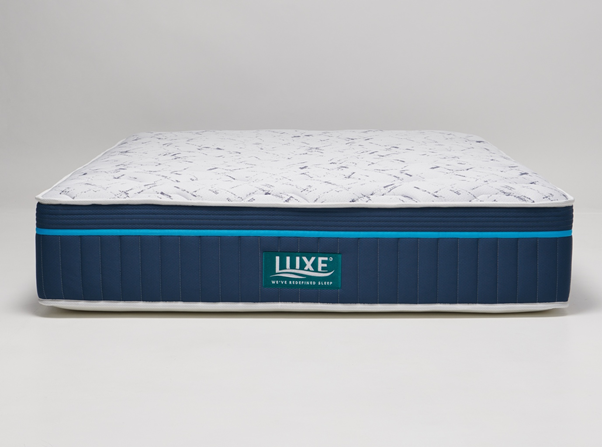
Spinal health plays a vital role in overall well-being, and the mattress you sleep on can either support or strain your body every night. When searching for better posture and pain-free mornings, many people compare an extra hard mattress with a more flexible natural mattress. While both options promise spinal support, they offer very different sleep experiences. Understanding how each mattress type works will help you choose the right support for your spine.
Why Spinal Support Matters During Sleep
Your spine should remain in a neutral position while you sleep, regardless of your sleeping posture. Poor spinal alignment can lead to lower back pain, stiffness, shoulder tension, and even long-term posture issues. A mattress that fails to support your body evenly may cause pressure points or unnatural bending of the spine. This is why firmness, materials, and body responsiveness are critical when choosing between an extra hard mattress and a natural mattress.
What Is an Extra Hard Mattress?
An extra hard mattress is designed to provide maximum firmness with very little surface cushioning. It keeps the body elevated and prevents sinking, making it popular among sleepers who prefer a solid and stable surface.
Benefits of an Extra Hard Mattress
- Strong spinal alignment: Keeps the spine straight, particularly for back and stomach sleepers
- Minimal sinkage: Prevents hips and lower back from dipping too deeply
- Orthopaedic support: Often recommended for people who feel discomfort on soft or medium mattresses
- Durability: Maintains firmness over time without sagging
For some people, especially heavier sleepers or those with specific lower back concerns, an extra hard mattress can reduce discomfort by keeping the spine properly aligned throughout the night.
However, excessive firmness may cause pressure buildup around the shoulders, hips, and joints, especially for side sleepers. This can lead to numbness or discomfort if the mattress does not adapt to body curves.
Understanding a Natural Mattress
A natural mattress is made using eco-friendly materials such as natural latex, organic cotton, wool, or coconut coir. Unlike synthetic mattresses, a natural mattress focuses on balanced support, breathability, and healthier sleep materials.
Benefits of a Natural Mattress
- Adaptive support: Conforms to body shape while maintaining spinal alignment
- Pressure relief: Reduces stress on sensitive areas like hips and shoulders
- Breathable materials: Helps regulate body temperature and reduce overheating
- Hypoallergenic: Ideal for people with allergies or chemical sensitivities
- Eco-friendly: Uses sustainable and non-toxic materials
A natural mattress usually falls into the medium-firm to firm category, offering flexibility without sacrificing support. This makes it suitable for a wider range of sleepers.
Extra Hard Mattress vs Natural Mattress: Key Differences
The primary difference between an extra hard mattress and a natural mattress lies in how they support the spine. An extra hard mattress offers surface-level firmness that keeps the body flat. In contrast, a natural mattress provides responsive support that adjusts to your body’s weight and shape.
Pressure distribution is another important factor. Extra hard mattresses tend to concentrate pressure in certain areas, while natural mattresses distribute body weight more evenly. This can be especially beneficial for people who experience joint pain in addition to back issues.
Additionally, natural mattresses are known for better airflow and temperature regulation, while extra hard mattresses may feel warmer depending on their construction.
Which Mattress Suits Your Sleeping Position?
Your sleep position significantly affects which mattress is better for spinal support.
- Back sleepers: Both options can work, but a natural mattress often provides better comfort with equal support
- Stomach sleepers: An extra hard mattress can help prevent lower back arching
- Side sleepers: A natural mattress is usually the better choice due to pressure relief and contouring
Long-Term Comfort and Health Considerations
While an extra hard mattress may offer immediate firmness, long-term comfort depends on how well your mattress adapts to your body over time. A natural mattress tends to maintain its structure while still responding to movement and weight changes. It also offers a healthier sleep environment by reducing exposure to synthetic materials and chemicals.
Final Verdict: Which One Is Right for Your Spine?
Choosing between an extra hard mattress and a natural mattress depends on your body type, sleeping position, and comfort preferences. If you need maximum firmness and prefer a solid sleeping surface, an extra hard mattress may be the right choice. However, if you want a balance of support, pressure relief, and healthier materials, a natural mattress is often the better long-term solution.
For most people, especially those seeking spinal support without sacrificing comfort, a high-quality natural mattress offers the best combination of alignment, durability, and sleep quality. Investing in the right mattress today can lead to better posture, deeper sleep, and pain-free mornings for years to come.