
Field Service Scheduling Strategies for Maximum Efficiency and Customer Satisfaction
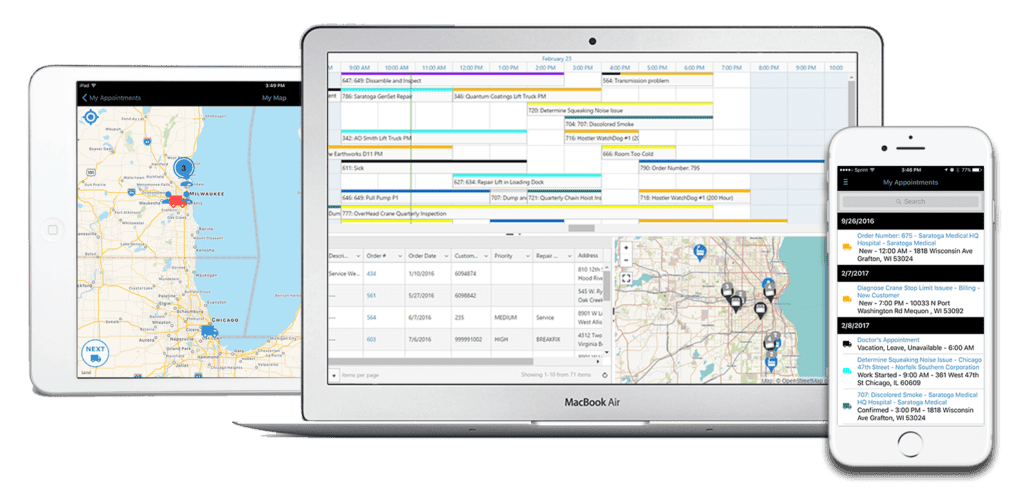
Field service scheduling is the process of assigning the right technician to the right job at the right time. It involves organizing service calls, optimizing routes, and considering factors such as technician skills, availability, and job priority. Effective field service scheduling minimizes delays, prevents double bookings, and maximizes the number of completed jobs each day.
This system plays a crucial role in improving operational efficiency and customer satisfaction. By using dedicated scheduling software, businesses can automate workflows, track jobs in real time, and better coordinate between dispatchers, technicians, and customers. The result is smoother field operations with faster response times.
With increasing complexity in field service demands, companies rely on scheduling tools that combine automation and real-time data. These tools ensure that resources are utilized efficiently while providing transparency throughout the service process, helping organizations meet service-level agreements and scale their teams effectively.
Understanding Field Service Scheduling
Field service scheduling involves the careful coordination of personnel, tasks, and resources to meet service demands efficiently. It requires balancing technician skills, job priorities, and available tools, all while minimizing downtime and travel.
Core Principles of Scheduling
Effective scheduling assigns the right technician to the right job at the right time. It takes into account technician availability, skill sets, and geographic location. Prioritization of tasks is essential, ensuring urgent or high-impact jobs are handled first.
Scheduling also integrates resource management, handling the necessary tools and parts to complete each assignment. Dynamic adjustments accommodate real-time changes such as cancellations, delays, or new urgent requests.
Automation and software tools increasingly support these principles, improving accuracy and reducing manual errors.
Key Challenges in Field Service Management
Field service scheduling faces obstacles like unpredictable job durations and workforce availability. Technicians’ skill mismatches or lack of required tools can cause delays or incomplete work.
Route planning is complex, especially in geographically dispersed areas, increasing travel time and costs. Last-minute changes, such as emergency calls or rescheduling, disrupt planned schedules.
Managing communication between dispatchers and technicians in real-time is another challenge. Lack of visibility into field activities can hinder timely updates and decision-making.
Benefits of Optimized Scheduling
Optimized scheduling improves workforce utilization, reducing idle time and overlap. It boosts the number of completed jobs per day by aligning skills and resources efficiently.
Customer satisfaction increases with reduced wait times and more reliable service windows. Costs drop due to minimized travel distances and fewer emergency dispatches.
Enhanced transparency comes with real-time tracking and reporting. This allows quicker responses to disruptions and better overall management of field operations.
Best Practices and Technology Solutions
Optimizing field service scheduling requires combining effective tech tools with clear workforce strategies and precise measurement methods. Focus on automation, real-time communication, and data analysis to drive productivity and maintain service quality.
Leveraging Field Service Management Software
Field service management (FSM) software centralizes scheduling, dispatch, and customer data into one platform. It enables automated appointment booking, skill-based technician assignments, and dynamic route planning to reduce travel time and increase job completion rates.
Many FSM solutions offer subscription models tailored for different business sizes, allowing scalability. Integration with real-time data sources ensures schedules adapt to delays or cancellations promptly. This flexibility improves resource utilization and minimizes downtime.
Features like notifications, automated reminders, and customer portals improve transparency and reduce missed appointments. FSM software also supports reporting, which helps managers track performance trends and identify bottlenecks in scheduling workflows.
Strategies for Efficient Workforce Allocation
Efficient workforce allocation balances technician skills, availability, and geographic location to optimize service calls. Skill matching is critical—assigning technicians based on expertise ensures faster resolutions and fewer repeat visits.
Using historical data and analytics dashboards helps identify peak demand periods and technician performance. This insight supports smarter schedule planning and proactive resource adjustments. Personalized scheduling also boosts worker satisfaction, reducing turnover.
Automation can prioritize high-impact jobs, such as urgent repairs or high-value clients. Combining this with open communication channels lets teams shift resources quickly when emergencies arise or workloads change unexpectedly.
Integrating Mobile Solutions
Mobile technology equips field technicians with real-time access to job details, maps, and customer information. This access accelerates service execution and improves first-time fix rates.
Technicians use mobile apps to update job status, capture photos, obtain digital signatures, and report issues immediately. Managers receive instant notifications, enabling prompt problem-solving and accurate billing.
Mobile solutions also support offline functionality for areas with weak connectivity. This ensures uninterrupted access to critical data and seamless updates once the connection restores.
Ensuring mobile platforms are user-friendly and secure protects company data while enhancing technician productivity and communication.
Measuring Performance and Outcomes
Accurate measurement of scheduling effectiveness relies on key performance indicators (KPIs) such as:
- Job completion rate
- First-time fix rate
- Technician utilization
- Customer satisfaction scores
Collecting data through FSM software and mobile apps allows for continuous monitoring. Analytics tools provide dashboards showing trends and deviations, supporting informed decision-making.
Systematic reviews of these metrics reveal inefficiencies, like frequent rescheduling or technician overload. Addressing these issues can improve overall service quality and operational efficiency.
Regular feedback loops between field staff and management ensure that performance data translates into actionable improvements.