
How to Sell a Small Business: A Complete Guide to Getting the Best Deal
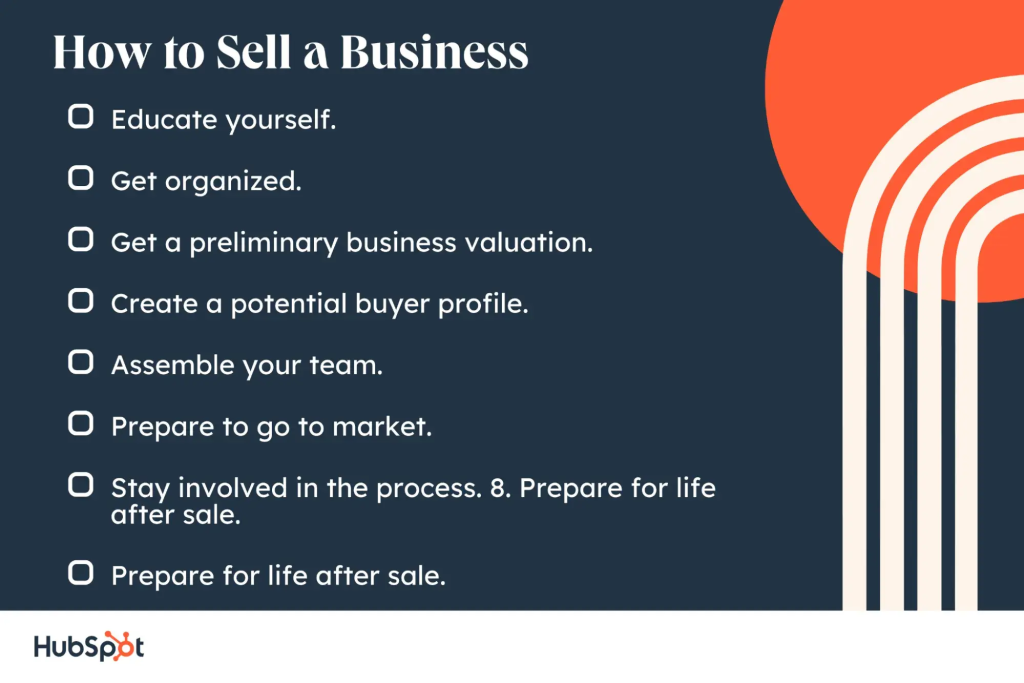
Selling a small business is one of the most significant financial and emotional decisions an entrepreneur can make. Whether you’re retiring, moving on to new ventures, or simply ready for a change, preparing your sell a small business business for sale requires thoughtful planning, precise valuation, and a clear understanding of the process. This guide will walk you through everything you need to know to successfully sell a small business — from preparation and valuation to negotiation and closing the deal.
1. Understanding Why You Want to Sell
Before you begin the selling process, it’s important to clearly define your motivation. Buyers often ask why a business is for sale, and having a well-thought-out answer helps build trust. Common reasons include:
- Retirement or lifestyle changes.
- Health concerns or burnout.
- Pursuing a new business opportunity.
- Partnership disputes.
- Desire for liquidity or to cash in on years of hard work.
Your reason for selling will shape your approach and timing. For example, if your goal is to retire comfortably, you may want to hold out for a higher offer, while someone looking to move quickly might prioritize a faster transaction over maximum profit.
2. Preparing Your Business for Sale
Preparation is key to maximizing your selling price. A business that is well-organized, profitable, and transparent is far more attractive to buyers. Here are some essential steps:
a. Get Your Financials in Order
Buyers will scrutinize your financial history. You’ll need clean, accurate, and verifiable financial statements — ideally from the past three years. This includes:
- Profit and loss statements.
- Balance sheets.
- Tax returns.
- Cash flow reports.
Having these records reviewed by an accountant adds credibility and demonstrates professionalism.
b. Strengthen Business Operations
A buyer wants to know that the business can run smoothly without heavy dependence on the current owner. You can improve this by:
- Training key employees to handle daily operations.
- Streamlining systems and procedures.
- Establishing vendor and customer relationships that can easily transfer.
c. Improve the Appearance and Brand
First impressions matter. Just as a homeowner stages a house before selling, you should “stage” your business. Update your website, organize your office or retail space, and ensure your branding is consistent and professional, whether you’re showcasing Pandora Charms or other signature products.
3. Determining the Value of Your Business
Valuing a small business accurately is often one of the hardest steps. Overpricing can discourage buyers, while undervaluing leaves money on the table. Common valuation methods include:
a. Asset-Based Valuation
This method calculates the total value of your business’s tangible and intangible assets minus liabilities. It’s straightforward but may undervalue service-based or brand-driven businesses.
b. Earnings or Income Approach
Buyers often focus on your business’s profitability. A multiple is applied to your annual earnings (such as EBITDA — earnings before interest, taxes, depreciation, and amortization) to determine value. Small businesses typically sell for two to five times their annual earnings, depending on the industry.
c. Market Comparison
This approach compares your business to similar ones recently sold in your industry and region. A business broker or valuation expert can help gather relevant data.
A professional appraisal ensures you set a realistic asking price that appeals to serious buyers while reflecting your business’s worth.
4. Finding the Right Buyer
Once your business is ready for sale and priced correctly, the next step is finding the right buyer. You can attract potential buyers through:
- Business-for-sale marketplaces (such as BizBuySell or BusinessBroker.net).
- Networking within your industry.
- Reaching out to competitors or suppliers.
- Hiring a business broker who specializes in small business sales.
When evaluating buyers, look beyond just the purchase price. Assess their ability to finance the deal, their business experience, and whether they’ll preserve your company’s reputation and employees.
5. Negotiating the Sale
Negotiation is where preparation pays off. A successful negotiation balances your desire for a strong sale price with the buyer’s need for value and reassurance.
Key elements of negotiation include:
- Price: Be open to reasonable offers, but know your bottom line.
- Terms: This includes payment structure, such as cash upfront or installment payments.
- Transition period: Some buyers may request that you stay temporarily to help with the transition.
- Non-compete agreements: Buyers often want assurance that you won’t start a competing business immediately after the sale.
It’s essential to keep emotions in check and focus on facts and long-term benefits. Working with a business broker or legal advisor can make this process smoother and more objective.
6. Due Diligence Process
Once an offer is accepted, the buyer will conduct due diligence — a detailed review of your business to confirm that everything is as represented. Expect them to request documents related to:
- Financial statements and tax returns.
- Business licenses and permits.
- Contracts with vendors, employees, and clients.
- Intellectual property and assets.
- Lease agreements.
Be transparent and organized during this stage. A well-prepared seller builds trust and helps keep the process moving forward without unnecessary delays.
7. Finalizing the Sale
After due diligence, it’s time to finalize the transaction. This stage involves signing the sales agreement and transferring ownership. A business attorney should review all documents to ensure legal compliance and protection for both parties.
Typical documents include:
- Bill of sale.
- Asset purchase agreement or stock sale agreement.
- Non-disclosure and non-compete agreements.
- Transfer of leases, licenses, and intellectual property rights.
Once everything is signed and payments are received, the business is officially sold.
8. Planning for Life After the Sale
Selling your small business is not just a financial event — it’s a life transition. Many entrepreneurs underestimate the emotional impact of handing over their business. Before closing the deal, think about:
- How you’ll use the sale proceeds (investing, retiring, or starting a new venture).
- Whether you’ll stay involved in the business during the transition.
- How you’ll maintain professional fulfillment post-sale.
Taking time to plan your next chapter ensures that the sale is a positive and empowering step forward.
Conclusion
Selling a small business requires careful planning, strategic marketing, and professional guidance. By preparing your financials, determining a fair value, attracting qualified buyers, and negotiating wisely, you can maximize your return and ensure a smooth transition.
Whether you’re selling due to retirement or ready for new opportunities, approaching the process with patience and preparation will help you secure the best possible outcome. A well-managed sale not only rewards your years of hard work but also sets up the next owner for success — creating a lasting legacy for your business.