
Online Therapist for Anxiety: Effective Support and Accessible Care
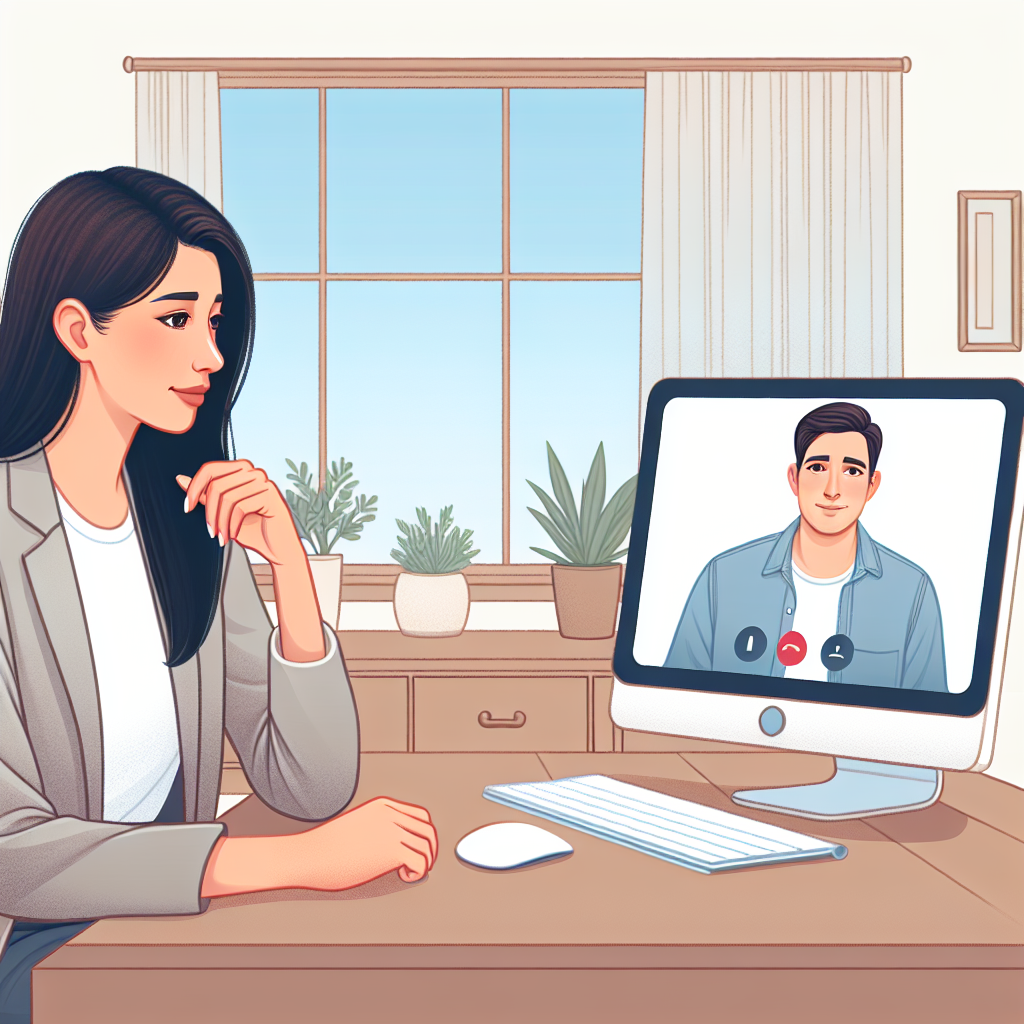
Online therapy for anxiety offers accessible, effective support without the need to visit a therapist in person. It allows individuals to connect with licensed professionals who specialize in treating anxiety through video, phone, or messaging, often with flexible scheduling and lower costs.
Many platforms provide tailored care that fits diverse needs, including options that work with insurance and can even prescribe medication when necessary. The convenience and range of choices make online therapy a practical solution for managing anxiety in today’s fast-paced world.
Understanding Online Therapy for Anxiety
Online therapy for anxiety offers a practical way to access professional support without visiting a physical office. Online Therapist for Anxiety services allow people to engage with licensed therapists through digital platforms using secure video calls, messaging, or phone sessions. Different therapeutic methods are tailored to anxiety, and measurable outcomes show that online therapy can be as effective as in-person treatment.
How Online Therapy Works
Clients connect with therapists via platforms designed for convenience and privacy. These platforms often include video conferencing, secure chat, and scheduling tools. Before starting, individuals typically complete assessments to help match them with therapists who specialize in anxiety.
Sessions work similarly to traditional therapy but allow clients to participate from anywhere. Many platforms accept insurance and offer flexible pricing or discounts. In some cases, online therapists can collaborate with psychiatrists for medication management if needed, ensuring a comprehensive approach.
The technology used ensures confidentiality through encrypted communication. Additionally, users can select therapists based on credentials, experience, and therapeutic style to find the best fit.
Types of Therapy Used for Anxiety
Cognitive Behavioral Therapy (CBT) is the most common approach, focusing on identifying and changing negative thought patterns that contribute to anxiety. Techniques like systematic desensitization help clients gradually face anxiety triggers in a controlled way.
Other methods include Acceptance and Commitment Therapy (ACT), which emphasizes mindfulness and accepting anxious thoughts without judgment. Exposure therapy is also used, helping clients confront feared situations safely over time.
Some platforms offer integrative approaches, combining talk therapy with tools like stress management exercises and psychoeducation. Therapists may also incorporate medication consultations through partnerships with psychiatrists when anxiety symptoms are severe or persistent.
Efficacy of Online Therapy
Research and user feedback generally indicate online therapy is effective in reducing anxiety symptoms, often matching in-person outcomes when therapists are well-qualified. Clients report improvements in coping skills, emotional regulation, and daily functioning.
Key factors influencing success include the therapeutic relationship, session consistency, and appropriate treatment selection. Platforms that facilitate easy communication and therapist matching tend to have higher satisfaction rates.
Insurance coverage and affordability increase accessibility, helping more people complete treatment. Though results vary individually, systematic reviews support the reliability of online formats in treating generalized anxiety, social anxiety, and panic disorders.
Choosing an Online Therapist for Anxiety
Finding the right online therapist involves assessing their professional background, the platform’s features, and how well it protects client information. Each factor influences the quality, accessibility, and safety of the therapy experience.
Qualifications to Look For
A qualified online therapist should have appropriate licensure in their field, often a licensed psychologist, clinical social worker, or licensed professional counselor. Credentials confirm they meet professional standards and are legally allowed to provide therapy.
Specialization in anxiety or related disorders is essential. Therapists experienced in cognitive behavioral therapy (CBT) or other evidence-based techniques for anxiety tend to be more effective. Confirming their experience with anxiety-specific treatments can improve outcomes.
Verify ongoing education or certifications in anxiety treatment, as mental health practices evolve. Checking reviews or recommendations from other clients or professionals can offer additional assurance of competence.
Comparing Therapy Platforms
Platforms vary widely in cost, session flexibility, and therapist availability. Some offer subscription models, while others charge per session. Comparing prices aligned with budget is critical.
Look for platforms with large networks of licensed therapists to increase chances of finding a good fit. Features such as video, phone, or chat sessions add convenience. Accessibility in terms of hours and response times factors into continued engagement.
Review the platform’s support services, such as crisis intervention options or tools for tracking progress. Transparency around fees and clear cancellation policies avoid surprises. User-friendly interfaces improve the overall experience.
Privacy and Security Considerations
Ensuring confidentiality is central when choosing an online therapy platform. The service should comply with HIPAA or equivalent regulations to protect health information.
Encryption of communications, secure data storage, and strict access controls limit exposure of sensitive client data. Confirm whether sessions are recorded and under what conditions recordings are used or stored.
Read privacy policies carefully to understand data-sharing practices, especially regarding third parties or marketing uses. The platform should provide clear ways to report breaches and maintain client trust through transparent security measures.