
Photo Editing Techniques That Transform Ordinary Images
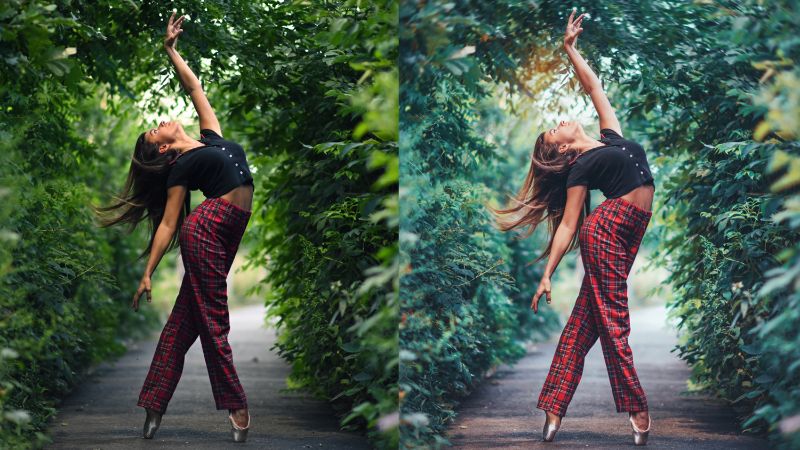
In today’s digital age, photo editing has become an indispensable skill for content creators, social media enthusiasts, and professional photographers alike. Whether you’re capturing memories on your smartphone or working with high-end camera equipment, understanding fundamental editing techniques can elevate your images from mundane to magnificent. The art of photo editing isn’t just about applying filters or adjusting brightness; it’s about bringing your creative vision to life and telling compelling visual stories. Just as platforms like ufabet เว็บตรงไม่ผ่านเอเย่นต์ offer direct experiences without intermediaries, modern photo editing tools provide direct access to professional-grade features that were once exclusive to industry experts. This comprehensive guide will walk you through seven essential techniques that will revolutionize your approach to photo editing and help you create stunning images that captivate your audience.
Understanding the Basics of Photo Editing
Before diving into advanced techniques, it’s crucial to grasp the foundational principles of photo editing. Every great edit starts with understanding the relationship between different elements in your image: light, color, composition, and detail. Photo editing software, whether mobile apps or desktop programs, provides various tools designed to manipulate these elements precisely. The key to successful photo editing lies in maintaining a balance between enhancement and authenticity. Over-editing can make images appear artificial and unappealing, while subtle adjustments can breathe new life into your photographs. Modern editing applications offer intuitive interfaces with sliders, brushes, and automated tools that make the process accessible to beginners while providing the depth that professionals require. Understanding concepts like histograms, layers, and adjustment curves forms the backbone of effective photo editing. These tools allow you to visualize and control the distribution of light and color throughout your image. As you develop your skills, you’ll begin to recognize patterns in how different adjustments interact with each other, enabling you to work more efficiently and achieve consistent results across your portfolio.
1. Mastering Light and Exposure in Photo Editing
Lighting is arguably the most critical element in photography, and mastering exposure adjustments is the cornerstone of effective photo editing. Exposure refers to the amount of light that reaches your camera sensor, determining whether your image appears bright, dark, or properly balanced. When editing photos, you’ll frequently encounter images that are either underexposed (too dark) or overexposed (too bright). The exposure adjustment tool allows you to correct these issues by moving a slider to increase or decrease the overall brightness. However, professional photo editing requires more nuanced control than simply adjusting a single slider. Tools like highlights, shadows, whites, and blacks give you precise control over specific tonal ranges in your image. Reducing highlights can recover detail in bright areas like skies, while lifting shadows reveals information hidden in darker regions. This selective approach to exposure management ensures that you’re not sacrificing detail in one area while correcting another.
Why Proper Lighting Makes Photo Editing Easier
Working with well-lit source images significantly reduces the effort required during photo editing. When you capture images with proper exposure, you’re preserving the maximum amount of information in both highlights and shadows. This data becomes invaluable during the editing process, as it gives you greater flexibility to make adjustments without degrading image quality. Photographs taken in harsh lighting conditions or with incorrect camera settings often suffer from clipped highlights (pure white areas with no detail) or crushed shadows (pure black areas with no recoverable information). Once this information is lost at the capture stage, no amount of photo editing can bring it back. Therefore, understanding exposure during shooting and refining it during editing creates a powerful workflow. Additionally, proper exposure management in photo editing helps maintain natural skin tones in portraits, preserves texture in landscapes, and ensures that your images display correctly across different devices and platforms.
2. Color Correction Techniques for Photo Editing
Color correction is a fundamental aspect of photo editing that dramatically impacts the mood and aesthetic of your images. Every photograph contains a color cast—a subtle tint that affects the overall appearance. This cast might come from your camera’s white balance settings, the lighting conditions during capture, or even reflections from surrounding objects. The white balance tool in photo editing software allows you to neutralize these unwanted color tints or deliberately shift them to create specific moods. Temperature adjustments move your image between warm (orange) and cool (blue) tones, while tint controls adjust the balance between green and magenta. Beyond white balance, saturation and vibrance controls affect how intense colors appear in your photo editing workflow. Saturation increases or decreases the intensity of all colors uniformly, while vibrance intelligently adjusts less saturated colors more than already vibrant ones, preventing skin tones from becoming oversaturated. Advanced photo editing techniques involve working with individual color channels, allowing you to target specific hues and adjust their luminance, saturation, and hue independently.
Advanced Photo Editing Color Balance Tips
Sophisticated color grading in photo editing involves creating cohesive color palettes that guide the viewer’s eye and evoke specific emotions. Professional editors often use color wheels or split toning to add complementary colors to highlights and shadows independently. For instance, adding warm tones to highlights and cool tones to shadows creates a cinematic look popular in modern photo editing. The HSL (Hue, Saturation, Luminance) panel represents one of the most powerful color tools in photo editing applications. This feature allows you to select a specific color range—such as all the blues in your image—and modify only those pixels without affecting other colors. This precision enables you to change the color of clothing, enhance specific elements like foliage or sky, and correct color casts affecting particular objects. When performing color correction in photo editing, always view your work on a calibrated display if possible, and check your images under different lighting conditions to ensure they translate well across various viewing environments.
3. Composition and Cropping in Photo Editing
Composition refers to how elements are arranged within your frame, and while it’s ideally established during shooting, photo editing provides opportunities to refine and perfect your composition. The crop tool is one of the most transformative features in photo editing, allowing you to remove distracting elements, change aspect ratios, and apply compositional rules retroactively. The rule of thirds, a fundamental composition principle, suggests placing key elements along lines that divide your frame into nine equal sections. Most photo editing applications include a rule of thirds overlay in their crop tool, making it easy to align your subject with these optimal positions. Cropping also allows you to experiment with different aspect ratios suited to various platforms—square crops for Instagram, widescreen formats for cinematic effects, or vertical crops for mobile-optimized content. When cropping during photo editing, consider the resolution requirements of your final output to ensure you’re not sacrificing too much detail. Strategic cropping can transform a mediocre composition into a compelling image by eliminating empty space, tightening focus on your subject, and creating better visual balance throughout the frame.
4. Retouching and Detail Enhancement Through Photo Editing
Retouching represents a significant category within photo editing, encompassing techniques that remove imperfections and enhance details in your images. Portrait retouching is perhaps the most common application, involving skin smoothing, blemish removal, and facial feature enhancement. However, effective photo editing in this realm requires restraint—the goal is to enhance natural beauty, not create unrealistic perfection. Tools like healing brushes and clone stamps allow you to remove temporary imperfections such as acne, dust spots, or unwanted objects from backgrounds. These tools work by sampling nearby pixels and blending them seamlessly into the area you’re retouching, maintaining texture and lighting consistency. Detail enhancement in photo editing also involves sharpening techniques that increase perceived clarity and crispness in your images. However, oversharpening creates halos and artifacts that degrade image quality, so this adjustment requires careful application during the photo editing process.
Professional Photo Editing Retouching Methods
Professional-level retouching in photo editing often employs frequency separation, an advanced technique that separates color and texture information onto different layers. This method allows you to smooth skin tones without losing the natural texture that makes skin look real. Similarly, dodge and burn techniques—lightening and darkening specific areas—add dimension and guide the viewer’s attention during photo editing. These techniques originated in traditional darkroom photography but are now essential digital photo editing skills. When retouching eyes in portraits through photo editing, subtle brightening of the iris and adding catchlights can make subjects appear more vibrant and engaged. Teeth whitening, another common retouching task in photo editing, should be approached conservatively to avoid artificial-looking results. Professional editors often create separate layers for each retouching step, allowing them to adjust opacity and blend modes for natural-looking results that can be refined throughout the photo editing workflow.
5. Filter Application and Effects in Photo Editing
Filters and effects represent one of the most accessible and creative aspects of photo editing, offering instant transformations with single clicks. Modern photo editing applications provide extensive filter libraries ranging from subtle film emulations to dramatic artistic effects. While filters offer convenience, understanding the underlying adjustments they make enhances your photo editing skills and allows for greater customization. Preset filters in photo editing typically combine multiple adjustments—exposure, contrast, color grading, and sometimes vignetting or grain—into a cohesive look. You can apply these as starting points and then fine-tune individual parameters to suit your specific image. Creative effects in photo editing extend beyond simple filters to include options like bokeh enhancement, which simulates the shallow depth of field achieved with professional lenses, or tilt-shift effects that make real-world scenes appear miniaturized. These specialized effects, once requiring expensive equipment or hours of manual work, are now accessible through intuitive photo editing tools.
6. Background Manipulation in Photo Editing
Background editing has revolutionized modern photo editing, particularly with the advent of AI-powered tools that automatically detect and separate subjects from their environments. Background removal or replacement in photo editing serves numerous purposes: eliminating distractions, creating professional product photos with clean backgrounds, or transporting subjects to entirely different settings. Advanced photo editing techniques include background blur (bokeh) adjustment, which helps subjects stand out by reducing the sharpness and detail in surrounding areas. This mimics the effect produced by professional camera lenses and directs viewer attention to your main subject. Some photo editing applications offer sophisticated sky replacement features that detect and select sky areas, allowing you to swap overcast skies for dramatic sunsets or starry nights while maintaining realistic lighting consistency. When manipulating backgrounds during photo editing, pay careful attention to edge refinement around your subject—particularly around hair and fine details—to ensure seamless integration and professional results.
7. Sharpening and Final Touches in Photo Editing
Sharpening represents one of the final crucial steps in the photo editing workflow, enhancing edge definition and overall image clarity. However, sharpening is a destructive process that amplifies both detail and noise, making it essential to apply strategically. Most photo editing experts recommend sharpening at the end of your workflow, after all other adjustments have been completed, and tailoring the amount to your intended output size and medium. Different sharpening techniques in photo editing serve various purposes: capture sharpening compensates for the slight softness inherent in digital sensors, creative sharpening emphasizes important elements, and output sharpening optimizes images for specific display methods like web, print, or large format. Clarity and structure adjustments in photo editing enhance midtone contrast, making images appear crisper and more defined without the harsh effects of oversharpening. Final touches in photo editing also include adding subtle vignettes that darken image corners, drawing attention toward the center, or applying film grain for a more organic, less digital aesthetic that adds character to modern digital photographs.
Common Photo Editing Mistakes to Avoid
Even experienced creators make mistakes during photo editing that can undermine otherwise excellent images. Over-saturation represents one of the most common errors, where colors become unnaturally vibrant and garish. This often results from pushing saturation sliders too far or applying multiple filters that compound color intensity. When performing photo editing, regularly toggle your adjustments on and off to compare with the original image and ensure you haven’t crossed into excessive territory. Another prevalent mistake in photo editing involves excessive manipulation that creates unrealistic results—skin that looks plasticky from over-smoothing, halos around subjects from aggressive sharpening, or skies that don’t match the lighting on foreground elements. Maintaining consistency throughout your image ensures believability and professionalism in your photo editing work. Ignoring basic compositional principles during cropping, failing to check your work at full size before finalizing, and neglecting to save high-resolution versions before applying destructive edits represent additional pitfalls that can compromise your photo editing results. Always work non-destructively when possible, using adjustment layers or maintaining original files so you can revisit and refine your photo editing decisions as your skills develop and your aesthetic evolves.
Conclusion
Mastering these seven essential photo editing techniques provides a solid foundation for creating compelling, professional-quality images regardless of your current skill level. Remember that effective photo editing enhances the inherent qualities of your photographs rather than compensating for poor capture technique. As you develop proficiency with these methods, you’ll find that your editing becomes more intuitive and efficient, allowing you to develop a signature style that distinguishes your work. The journey from basic photo editing to advanced mastery involves continuous learning, experimentation, and critical evaluation of your results. Modern photo editing tools continue evolving, with artificial intelligence and machine learning introducing new possibilities for creative expression and technical excellence. However, the fundamental principles outlined in this guide—understanding light, color, composition, and detail—remain constant and will serve you well regardless of which software or platform you choose for your photo editing endeavors. Practice these techniques regularly, study images you admire to understand their editing approach, and don’t be afraid to push boundaries as you discover your unique creative voice through photo editing.