
Portable Red Light Therapy for Renters and Small Apartments
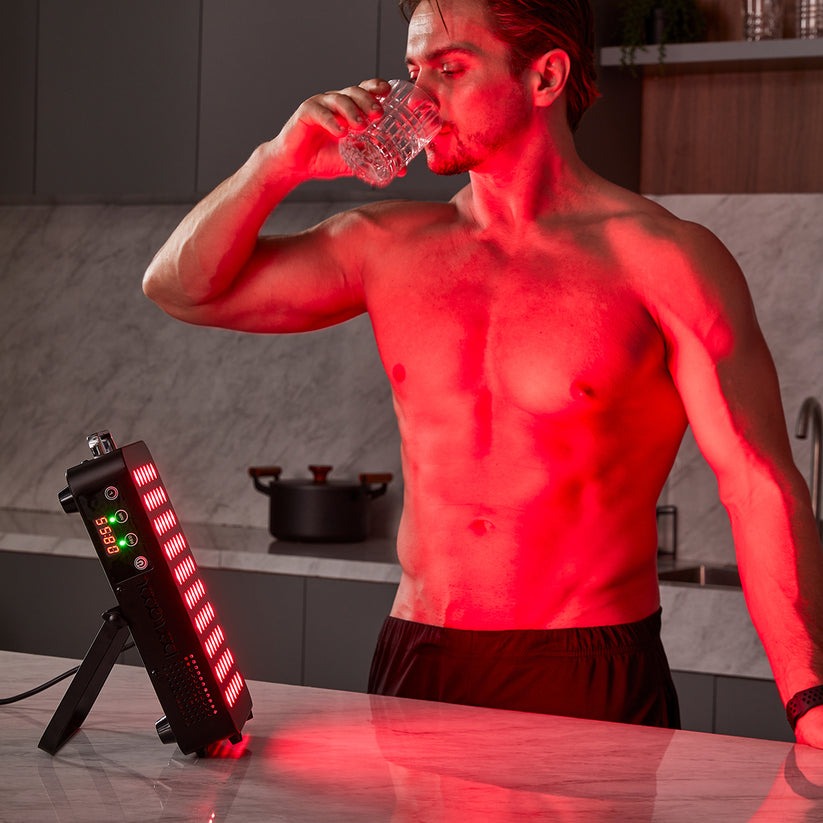
Most advice about setting up light therapy at home quietly assumes you own the place. It talks about wall mounting, dedicating a corner, leaving equipment permanently positioned in a room you control. That advice is close to useless if you rent a one-bedroom, share a flat with two other people, or live somewhere the lease explicitly forbids drilling into walls.
The constraints in that situation are not really about time or motivation. They are about square footage, permanence, and other people. Where does something live when there is no spare room? What happens when your flatmate is on the sofa and the only clear floor space is the living room? How do you set up and pack down often enough that the routine survives contact with reality?
These are solvable problems, but they need different solutions than the ones written for a house with a dedicated home gym. What follows is a practical approach to running a consistent routine in a small, shared, temporary space — without modifying anything you would have to explain at the end of your tenancy.
The Space Problem Nobody Accounts For
Small-space living is not simply a scaled-down version of a larger home. Every square foot is already doing at least two jobs. The living room is also the dining room and sometimes the office. The bedroom floor is the only clear surface, and it is clear only because you keep it that way deliberately.
Introducing anything that demands permanent floor space into that arrangement means displacing something else, and the displaced thing tends to win over time. This is the practical case for portable red light therapy in a small home: not that moving it around is convenient, but that anything requiring a permanent footprint will eventually lose its spot to something more urgent and stop being used entirely.
Clearance matters more than the object’s own dimensions. You need room for the device and room for yourself at a workable distance from it, which is a considerably larger area than the device alone. In a cramped room, the limiting factor is almost always that gap rather than where the unit itself sits. Measure the space you would actually stand or sit in before assuming a room works.
Working Without Wall Mounts
Standard tenancy agreements treat wall damage seriously, and mounting hardware leaves holes that are hard to argue about at the end of a lease. Fortunately, mounting is a convenience rather than a requirement, and the alternatives are perfectly workable once you stop treating a wall as the default.
The back of a door is the most underused vertical surface in a small home. Over-door hooks carry a surprising amount, require no tools, and leave nothing behind. A door also has the advantage of being a surface nobody else in the household is competing for, unlike walls, which tend to already have things on them.
Existing furniture handles most of the rest. A bookshelf edge, the back of a dining chair, the side of a wardrobe, a chest of drawers at roughly the right height — any of these can position a unit without a single fixing. The bar for a good surface is simply that it holds position reliably and puts the device at a height that works for the part of you being treated.
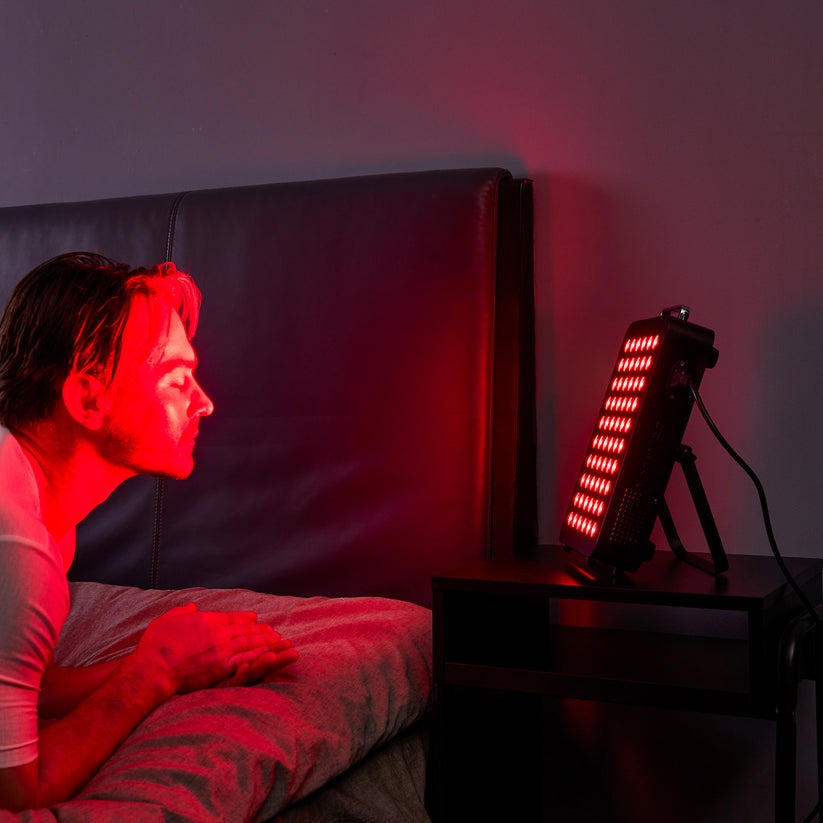
Whatever arrangement you choose, test its stability before you rely on it. A setup that shifts partway through a session changes your distance without you noticing and undermines the whole point of positioning carefully. Something that stays put unattended for the full session length is the minimum standard.
Storage, Noise, and Shared Walls
Where equipment lives between sessions determines whether the routine survives. Anything stored somewhere genuinely inconvenient — the back of a wardrobe, under a bed behind boxes, on top of a cupboard — adds friction at exactly the moment your motivation is lowest, and friction at that moment is what ends routines.
The realistic test is whether retrieval and setup take under two minutes. Beyond that, sessions start getting skipped on tired evenings, and skipped evenings accumulate faster than anyone expects. A dedicated shelf at chest height, a specific spot behind a door, or a slot in a cupboard you open daily all pass this test. A high shelf requiring a chair does not.
Shared living adds a social dimension that solo advice ignores entirely. If your only viable space is a common room, the routine has to fit around other people’s use of it rather than competing with it. Early mornings and the window before flatmates get home are usually the least contested times, and choosing a genuinely uncontested slot avoids the negotiation that would otherwise happen every single session.
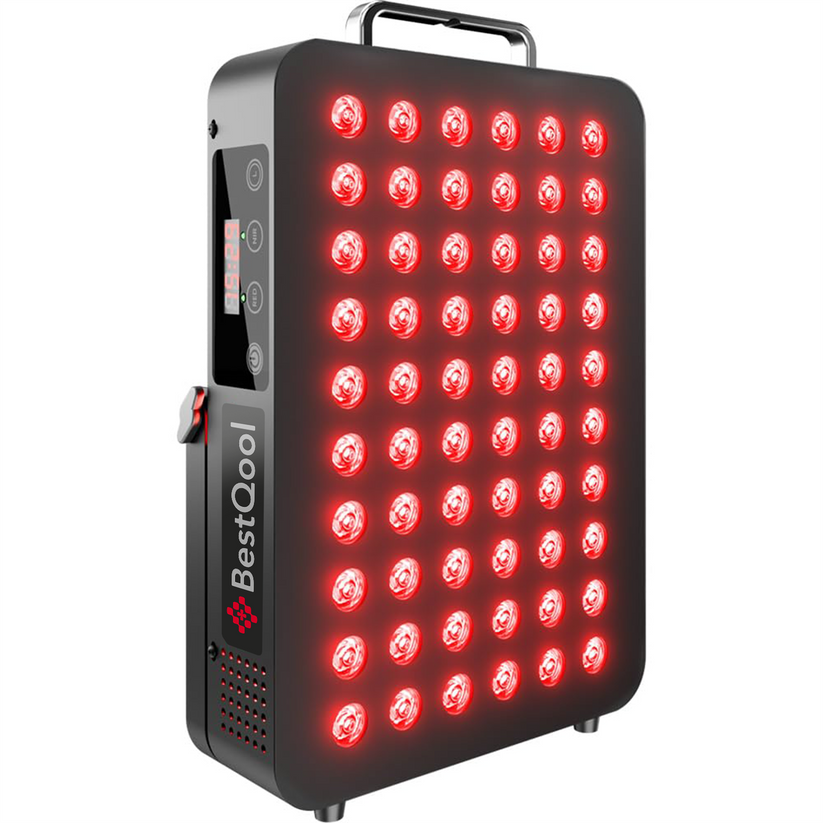
Light spill through thin walls and under doors is worth a moment’s thought in a shared flat, particularly for early or late sessions when someone else may be sleeping. A closed door and a towel along the bottom edge solves it. It sounds fussy, but a routine that irritates a housemate every morning develops opposition that has nothing to do with your goals.
Choosing a Room That Actually Works
Bedrooms are usually the strongest option in shared housing. The space is yours, nobody negotiates its use, and the floor beside a bed is often the largest clear area in the flat. The bed itself doubles as seating for sessions targeting legs or a lower back.
Bathrooms are tempting because of the privacy but rarely work. They are the smallest room, the clearance is insufficient, and humidity is a poor environment for electronics not built for it. Hallways can surprise you — often the longest clear run in a flat — though they are high-traffic in a shared home.
In older buildings, layout matters far more than total floor area. A room that measures well on paper can be unusable because a radiator, a bay window, or a fitted wardrobe occupies the only wall with clearance in front of it. Walk through an entire session in each candidate room before committing — stand where you would actually stand, check you can reach the controls without stepping out of position, and confirm nothing needs moving first. A room that requires shifting a chair every single time is a room you will gradually stop using.
Whichever room you settle on, mark your position. A small piece of tape on the floor where you stand or place a chair keeps distance consistent across sessions that happen in a space being constantly rearranged. In a small flat, furniture moves far more often than it does in a house, and without a mark your position drifts steadily without you ever noticing it happen.
Keeping the Routine Alive Through a Move
Renting means moving, often more than once. A routine tied tightly to one specific room tends not to survive relocation — the new place has a different layout, the old arrangement does not translate, and the equipment stays boxed for months.
Build the habit around a sequence rather than a location. “After my evening shower” transfers to any address; “in the corner of the second bedroom” does not. On moving day, re-establish the setup within the first few days rather than waiting until everything else is unpacked, because the routine rarely restarts on its own once broken.
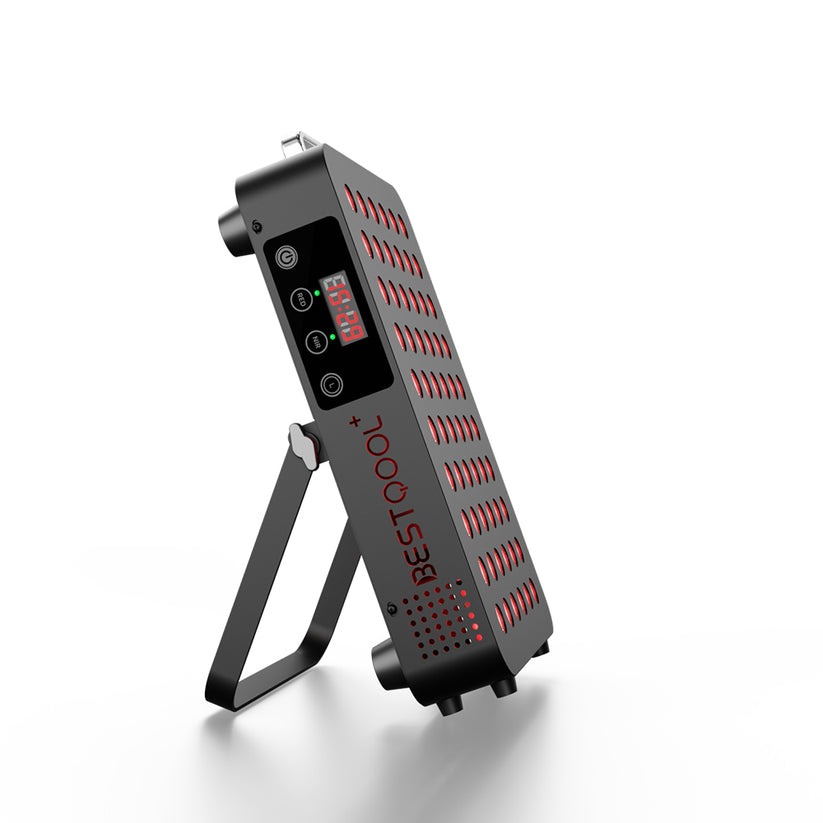
Viewing a new place is the cheapest moment to think about this. It costs a few seconds while walking around a flat to notice whether any room has a clear stretch of floor and a door with usable space behind it. Nobody sensible chooses a home on that basis, but registering it during a viewing beats discovering after the boxes arrive that the only workable spot is a hallway everyone walks through.
Keep the original packaging if storage allows, since it protects the unit properly in transit better than improvised wrapping. Manufacturers including BestQool supply positioning and distance guidance with their devices, and holding onto that documentation is worth doing precisely because a new flat means working out placement from scratch rather than relying on an arrangement you had already stopped thinking about.
Small Spaces, Consistent Sessions
Renting and small-space living impose real constraints, but they are constraints of permanence and square footage rather than obstacles to a consistent routine. The equipment cannot claim a permanent footprint, cannot involve drilling, and often cannot dominate a shared room.
Doors and existing furniture replace wall mounts without leaving a trace. Storage within two minutes of reach keeps sessions from being skipped on tired evenings. An uncontested time slot avoids negotiating with housemates repeatedly. A piece of tape on the floor preserves consistent distance in rooms that get rearranged constantly.
Attach the habit to an event in your day rather than to a corner of a particular flat, and it will survive the next move intact. None of this requires more space than you have — it requires a setup designed for the space you actually live in, rather than the one most guidance quietly assumes you own.