
Twin Screw Extruder: Precision and Efficiency in Material Processing
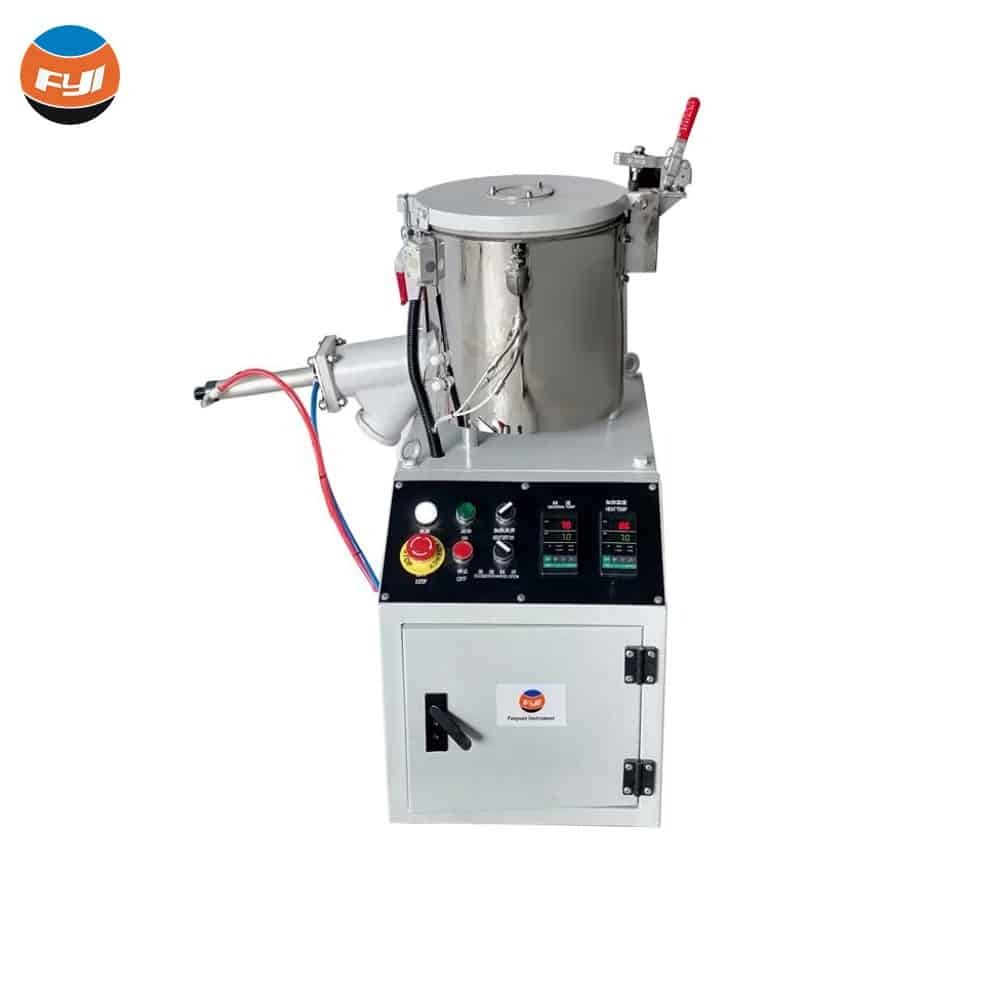
In modern laboratories and research facilities, precision, reliability, and efficiency are critical for successful material processing. A twin screw extruder is a cutting-edge tool that delivers consistent results, whether you are working with plastics, chemicals, or experimental formulations. Unlike traditional single screw extruders, twin screw extruders provide superior mixing, control, and adaptability, making them essential for lab-scale research and development.
For researchers and engineers who demand the highest quality, the Lab Twin Screw Extruder DW5210B stands out as a versatile, high-performance solution.
What is a Twin Screw Extruder?
A twin screw extruder is a machine equipped with two intermeshing screws that rotate inside a barrel. This configuration allows for precise mixing, thorough melting, and uniform processing of materials. Unlike single screw extruders, which primarily convey and melt material, a twin screw extruder excels at mixing, compounding, and controlled processing.
Key Features of a Twin Screw Extruder:
- Intermeshing screws for uniform material blending
- Adjustable screw speed and temperature control for flexibility
- Modular design allowing different screw configurations
- High precision for lab and research applications
The design flexibility ensures that materials are processed efficiently, whether you are creating small experimental batches or testing new formulations.
How a Twin Screw Extruder Works
Material is fed into the extruder through a hopper. As the screws rotate, the material is transported along the barrel, where heat and shear forces melt and mix it. The intermeshing screws provide enhanced mixing, while the barrel’s temperature zones allow for precise thermal control.
Twin screw extruders can operate in co-rotating mode, which is ideal for blending and compounding, or counter-rotating mode, which provides high pressure for rigid material extrusion. After processing, the material is pushed through a die, forming consistent shapes such as sheets, pellets, or experimental samples.
Lab-scale twin screw extruders like the DW5210B allow researchers to experiment with formulations efficiently while maintaining high precision.
Applications of Twin Screw Extruders
The versatility of a twin screw extruder makes it suitable for multiple industries:
- Plastic Research and Compounding:
Twin screw extruders are widely used to blend polymers with additives, fillers, or recycled materials. Lab-scale models like the DW5210B allow testing of new polymer formulations before scaling up to industrial production. - Food Processing:
In the lab, twin screw extruders can simulate production conditions for snacks, cereals, and extruded food products. Uniform mixing and controlled cooking are critical for product consistency. - Chemical Experiments:
Researchers can produce adhesives, resins, or specialty chemical compounds with precise control over reaction conditions, heat, and shear. - Pharmaceutical Research:
Twin screw extruders enable the production of granules, pellets, and drug formulations in small quantities while ensuring reproducibility and accuracy. - Material Innovation:
Lab-scale extruders allow scientists to experiment with bio-polymers, composites, and sustainable materials, accelerating innovation and development.
The Lab Twin Screw Extruder DW5210B is particularly suited for research facilities that require flexibility, reliability, and precise control in material processing.
Benefits of a Twin Screw Extruder
Investing in a twin screw extruder brings multiple advantages for lab research and industrial preparation:
- High Mixing Efficiency: Ensures uniform blending of materials, reducing inconsistencies.
- Precise Temperature Control: Supports sensitive experiments with accurate thermal zones.
- Flexibility: Co-rotating and counter-rotating modes adapt to various materials.
- Scalability: Lab extruders like DW5210B enable smooth transition from R&D to industrial-scale production.
- Energy Efficiency: Modern designs optimize energy consumption without sacrificing performance.
- Modular Screw Design: Allows customization according to material and research needs.
These advantages make twin screw extruders indispensable for anyone working in plastics, pharmaceuticals, food science, or chemical research.
Why Choose the Lab Twin Screw Extruder DW5210B?
The Lab Twin Screw Extruder DW5210B is designed for researchers and engineers who demand the highest quality in lab-scale extrusion. Its features include:
- High precision control over temperature and screw speed
- Modular screw design for versatile experiments
- Compact, reliable design suitable for lab environments
- Ideal for small-batch trials and new material testing
- Enables reproducible results for polymer compounding, chemical formulations, and pharmaceutical experiments
With this extruder, researchers can accelerate experimentation, reduce material waste, and achieve consistent results.
Tips for Effective Twin Screw Extruder Use in Labs
- Understand Material Properties: Different polymers, chemicals, and compounds behave differently under heat and shear.
- Adjust Screw Configuration: Use the modular design to optimize mixing and processing.
- Monitor Temperature Zones: Precise thermal control prevents degradation or incomplete melting.
- Start Small: Use lab-scale extruders like DW5210B to test formulations before scaling.
- Regular Maintenance: Clean screws and barrel after each experiment to ensure consistent results.
Following these guidelines maximizes the potential of your twin screw extruder while maintaining high-quality outputs.
Conclusion
A twin screw extruder is an essential tool for modern labs, research centers, and small-scale production. It provides unparalleled mixing efficiency, precise control, and flexibility across industries such as plastics, chemicals, pharmaceuticals, and food.
For researchers looking for a high-quality, reliable, and versatile lab extruder, the Lab Twin Screw Extruder DW5210B is an excellent choice. It enables efficient experimentation, consistent results, and smooth scalability to larger production processes.
By investing in a twin screw extruder, labs can enhance research capabilities, reduce trial-and-error, and accelerate innovation in material processing.
FAQs:
Q1: What is a twin screw extruder used for in labs?
A: It is used for mixing, compounding, and processing polymers, chemicals, pharmaceuticals, and food materials.
Q2: Why choose a twin screw extruder over a single screw extruder?
A: Twin screw extruders provide superior mixing, precise control, and adaptability for complex materials.
Q3: What makes DW5210B ideal for lab use?
A: The DW5210B offers high precision, modular screw design, compact size, and reliability for small-batch experiments.