
The Ultimate Guide to Silicone Soldering Mats: A Must-Have for Every DIY and Electronics Workspace
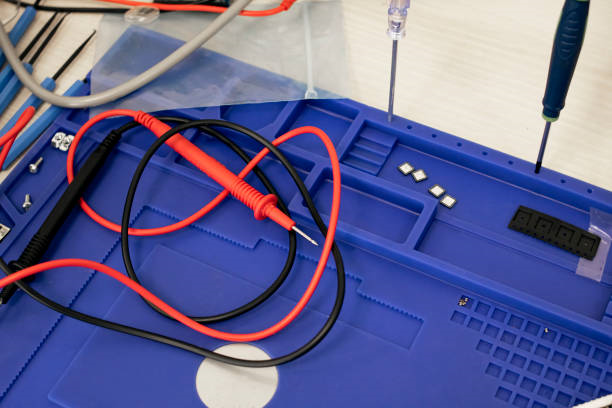
When it comes to electronics repair, PCB work, hobby soldering, or even assembling small mechanical components, your workspace matters just as much as your skill. Whether you are fixing a smartphone, building a PCB prototype, or installing LED strips, one tool consistently elevates both efficiency and safety: the silicone soldering mat. Durable, heat-resistant, and thoughtfully designed, these mats have quickly become essential for professionals, hobbyists, and workshop owners.
In this article, we’ll explore why a silicone soldering mat is more than just a surface protector, and how choosing the right one can dramatically improve your workflow.
What Is a Silicone Soldering Mat?
A silicone soldering mat is a specialized work surface made from heat-resistant silicone designed to protect your table, bench, or desk from extreme temperatures, burns, adhesives, and accidental drops. Most models offer compartment layouts to store screws, IC chips, tweezers, and spare components—making them perfect for delicate repairs.
Unlike polyurethane or fabric mats, silicone can withstand prolonged exposure to heat without deforming. Many mats are rated between 500–900°C, meaning they can endure direct contact with soldering iron tips, hot air guns, or stray molten solder.
Key Benefits of Silicone Soldering Mats
1. High-Heat Resistance
Soldering involves temperature fluctuations, hot airflow, and metal work. The mat’s silicone base prevents warping or burning—it won’t melt or stick to your soldering iron. Even if molten solder droplets fall on the surface, they cool quickly and peel off without residue. This provides confidence and safety during long repair sessions.
2. Excellent Surface Protection
If you’re working on expensive furniture, hardwood workbenches, or a kitchen table turned workshop, heat marks are a nightmare. Silicone mats act as a shield, protecting surfaces from scratches, punctures, and scorch marks. They also resist oils and chemical spills, making cleanup incredibly easy—just wipe with isopropyl alcohol or warm water.
3. Built-in Organizational Compartments
One of the biggest frustrations in electronics is losing screws—especially microscopic ones from phones, laptops, or drones. Most silicone soldering mats come with magnetic screw holders, component trays, grid pockets, and labeled compartments. This reduces chaos and preserves your workflow.
Many models even include tool slots, so you can keep tweezers, IC pullers, desoldering braid, or flux pens within reach. The result is a clean, disciplined workstation.
4. Anti-Slip and Anti-Static Features
Silicone naturally grips surfaces, preventing movement while you work. Unlike metal or glass, it won’t slide from vibration or tool movement. High-end mats often incorporate ESD-safe construction, reducing static buildup that could damage sensitive electronics such as microprocessors or memory modules.
5. Durable and Cost-Effective
A good silicone soldering mat is virtually indestructible. It does not peel, crack, or warp under stress. Even if used daily, a mat can last for many years. Given that it also protects tools, components, and furniture, it is one of the most economical workshop upgrades you can make.
Ideal Use Cases
Electronics and PCB Repair
From soldering capacitors to replacing IC chips, silicone mats provide critical stability. Their non-conductive surface minimizes risk when handling small components.
Smartphone & Tablet Repair
Tiny screws, flex cables, and micro-sensors require organization. The compartments make it simple to map where each screw belongs—reducing mistakes during reassembly.
RC Hobby and Drone Maintenance
RC boards, brushless motors, and ESC modules contain delicate wiring. A silicone mat keeps parts organized and prevents heat damage during re-soldering.
Laptop & Gaming Console Service
Working on PlayStations, Xbox units, MacBooks, or custom PC builds becomes easier with a heat-resistant surface and precise component tracking zones.
Features to Look For When Buying a Silicone Soldering Mat
Not all mats are created equal. When shopping, consider these essential characteristics:
1. Heat Tolerance
Look for mats rated 500°C or higher if you use hot air tools, reflow stations, or industrial soldering irons. Lower ratings are fine for occasional DIY repair but may degrade under consistent heat.
2. Size and Thickness
Large mats (40cm–50cm wide or more) allow full workstation coverage and multiple tools. For portable repair kits, smaller travel versions are perfect. Thickness matters too—2–4mm provides cushion and heat absorption without being bulky.
3. Compartment Layout
Choose a design that suits your workflow:
- Fine grid trays for micro-electronics
- Larger pockets for cables and batteries
- Magnetic screw slots to avoid losing tiny fasteners
4. ESD & Anti-Static Protection
For professional electronics, look for anti-static markings or grounded mats. This prevents static discharge damage—especially crucial when repairing motherboards or GPUs.
5. Integrated Tool Sections
Dedicated slots for tweezers, drivers, heat gun nozzles, or solder wire can speed up tasks and reduce clutter.
Care, Maintenance, and Longevity
One of the biggest perks of silicone mats is how easy they are to maintain:
- Wipe debris with a soft cloth or brush
- Use isopropyl alcohol for flux residue
- Avoid abrasive cleaners that can damage surface texture
- Remove solder droplets gently—never scrape aggressively
With basic care, your mat will remain flexible, clean, and reliable for years.
Why Every Workshop Should Have One
Whether you’re a professional technician or weekend maker, investing in a silicone soldering mat pays for itself:
✔ Protects your workspace
✔ Organizes your components
✔ Improves workflow efficiency
✔ Minimizes mistakes
✔ Ensures safety and tool longevity
✔ Suitable for beginners and professionals
The mat’s versatility extends beyond soldering—model builders, jewelry makers, and 3D printing enthusiasts also rely on them. It acts as a universal workshop assistant, blending durability with intelligent design.
Final Thoughts
A silicone soldering mat is not just a pad—it is a productivity tool. It safeguards surfaces, organizes parts, and provides the heat resistance required for precise electronics work. Whether you’re repairing motherboards, designing circuits, or assembling drones, a silicone mat gives you the stability and protection you need to work confidently.
If you want cleaner benches, fewer lost screws, and a professional workspace, this simple investment delivers more value than many advanced tools. For anyone committed to electronics or DIY craftsmanship, it should be the foundation beneath every project you build.