
What Is Xóc Đĩa? Origins, Operation, and Key Things to Know
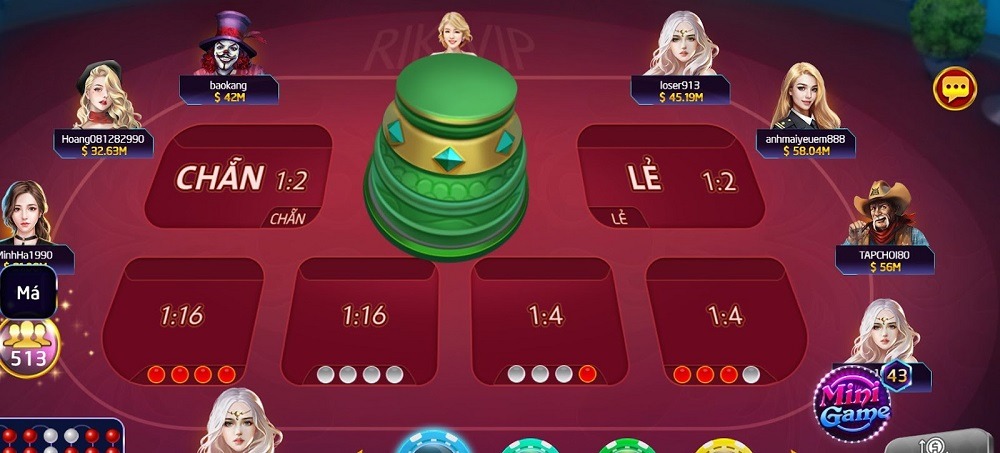
Xóc Đĩa https://rodgers.ru.com/ is a traditional Vietnamese game that has long existed in folk culture and social gatherings. Over time, it has become widely known and, in modern contexts, often discussed in relation to online platforms and digital adaptations. To understand Xóc Đĩa properly, it is important to look at what it is, where it comes from, how it generally operates, and what essential considerations people should be aware of when learning about it.
What Is Xóc Đĩa?
Xóc Đĩa is a game that uses a small set of physical objects—typically a bowl, a plate, and several coins or discs. The name “Xóc Đĩa” can be loosely translated as “shaking the bowl,” which reflects the core visual action associated with the game. Traditionally, the coins are placed on a plate and covered with a bowl, then shaken before the bowl is lifted to reveal the outcome.
At its core, Xóc Đĩa is a game of chance. The outcome depends on how the coins land after being shaken, rather than on skill, calculation, or strategy. Because of this, it has often been compared to other chance-based games found in different cultures around the world.
Historical and Cultural Origins
The exact origin of Xóc Đĩa is not documented in formal historical records, but it is widely believed to have emerged from rural Vietnamese communities many generations ago. In the past, the game was commonly played during festivals, holidays, or communal gatherings, especially during Tết (Vietnamese Lunar New Year). In these contexts, Xóc Đĩa was often seen as a form of entertainment that brought people together rather than as a structured or commercial activity.
Like many traditional games, Xóc Đĩa evolved informally. Rules and practices could vary slightly from one region to another, depending on local customs. Over time, as Vietnamese society modernized and technology advanced, references to Xóc Đĩa expanded beyond physical settings and into online discussions and digital representations.
General Operation of the Game
In its traditional form, Xóc Đĩa operates in a simple and visually clear way. A small number of coins—often with two different sides or colors—are placed on a plate and covered by a bowl. The person controlling the bowl shakes it for a short period, then lifts it to reveal how the coins have landed.
The result is determined by the visible arrangement of the coins. Because the shaking process is meant to randomize the outcome, there is no reliable way to predict or influence the result. This randomness is central to how the game functions and why it is classified as a chance-based activity.
In modern discussions, particularly online, Xóc Đĩa is sometimes described in digital or simulated formats. These versions attempt to replicate the visual and random elements of the traditional game through software. While the presentation may differ, the fundamental concept—an outcome determined by chance—remains the same.
Traditional vs. Online Contexts
One important distinction to understand is the difference between traditional, in-person Xóc Đĩa and its online representations. Traditionally, the game was played face to face, often among people who knew each other, and within specific cultural or social settings. The experience was closely tied to community interaction and shared moments.
In contrast, online versions remove the physical and social aspects and replace them with digital interfaces. This shift changes how people experience the game and introduces additional considerations, such as technology, data integrity, and platform rules. It also raises questions about legality, regulation, and responsible behavior, which vary significantly depending on jurisdiction.
Key Things to Know and Consider
When learning about Xóc Đĩa, there are several important points to keep in mind:
- It Is Based on Chance
Xóc Đĩa does not involve skill or expertise in determining outcomes. Understanding this helps set realistic expectations and prevents misconceptions about control or predictability. - Cultural Significance Matters
Historically, Xóc Đĩa was part of cultural and social traditions. Viewing it only through a modern or commercial lens can overlook its original role in community life. - Legal and Regulatory Issues Vary
The legality of games of chance differs widely across countries and regions. Activities that are tolerated in informal settings may be restricted or regulated in other contexts, especially online. - Risk Awareness Is Essential
Because outcomes are random, there is always uncertainty involved. Awareness of potential risks and consequences is important when discussing or observing any chance-based activity. - Information vs. Participation
Learning about Xóc Đĩa from an educational perspective is different from actively taking part. Understanding the distinction helps keep discussions objective and responsible.
Conclusion
Xóc Đĩa at haywin is a traditional Vietnamese game rooted in community life and cultural history. Its simple mechanics and reliance on chance have made it easy to understand and widely recognized. Over time, it has moved from informal, in-person settings into broader discussions that include online and digital contexts.
By examining what Xóc Đĩa is, where it comes from, how it generally operates, and what key considerations surround it, readers can gain a balanced and informed understanding. Approached as a cultural and informational subject, Xóc Đĩa offers insight into Vietnamese traditions as well as broader discussions about chance-based games in modern society.